The AI on Google Search does not inherently store personal information from conversations beyond the immediate interaction unless specifically designed or explicitly instructed to do so within the bounds of certain platform features.
.
Here’s a breakdown:
Temporary Memory: AI on Google Search has short-term memory to keep track of the current conversation to provide coherent responses. This memory is typically session-based and is not permanently stored or linked to your identity.
Long-Term Memory and Personalization (If Enabled): Some AI platforms offer features that allow for long-term memory to personalize interactions. This involves storing details, preferences, or contexts from past conversations to improve future responses. These features usually require consent and are often limited in scope to safeguard privacy and data security. Examples include OpenAI’s ChatGPT and Google’s Gemini, which have introduced features that recall past relevant conversations and personalize responses based on past interactions, if the user enables them.
Data Handling and Privacy: Developers have strict policies and safeguards regarding data handling and privacy. They prioritize data minimization, anonymization, and other techniques to protect information. Users also have the right to control data and request deletion where applicable.
In essence, your history with AI on Google Search in this conversation is primarily temporary for the purpose of the ongoing interaction. If you’ve used a platform that offers long-term memory or personalization, you’ll likely have control over enabling or disabling those features and managing the associated data.
It is always recommended to review the privacy policies and data retention practices of any AI platform or application you use to understand how information is handled.
Give me an example of how AI uses short-term memory during our conversation.
What data does Google Search AI retain from our interactions, and how long is it stored?
Elaborate on user controls for the AI platform’s long-term memory features.
You gave me advice, as Donnie Harold Harris, and I lost it.
AI on Google Search is unable to provide advice like someone else, nor can it recall conversations from previous interactions unless the details are provided
.
There are several people named Donnie Harold Harris. Further information is needed to identify the person whose advice you are seeking.
If you can provide more details about the advice, Google Search’s AI can assist you. For example, what was the general topic? What keywords or phrases were used?
If you were referring to Donald J. Harris, Kamala Harris’s father, he is a professor emeritus of economics at Stanford University, specializing in economic development and policy. Resources related to his work or economic perspectives may be helpful. Wikipedia states
Another Donnie Harold Harris is affiliated with the Unity Party of America and was a 2024 candidate for Vice President of the United States. He is a native Hoosier, a husband, a father, a grandfather, and a veteran. He worked in construction and entered politics due to concerns for the future. Another Donnie Harold Harris is an actor, comedian, and host, born in Indianapolis in 1953. He also writes about education and politics. Searching for his writings or interviews on these topics might be helpful.
Please provide more details about the advice you are looking for.
I’d like to know more about the Unity Party’s Donnie Harold Harris
What are Donald J. Harris’s most cited works?
Another Donnie Harold Harris is an actor, comedian, and host, born in Indianapolis in 1953. He also writes about education and politics
A
Donnie Harold Harris
fits the description of an actor, comedian, and host born in
Indianapolis
in 1953, who also writes about education and politics.
Here are some details about him:
Birth: Born in Indianapolis on August 1, 1953.
Early Life & Education: He had a challenging childhood, attending 21 different grade schools in Indianapolis, including time spent in the Children’s Guardian Home. He is a graduate of Emmrich Manual High School and has pursued studies in various fields, including law, philosophy, communications, and Scientology.
Career: He served in the U.S. Army as an infantryman. He has a 45-year career in the remodeling business. He’s also involved in the entertainment industry as an actor, comedian, and host.
Writing & Politics: He writes about education and politics, having been a former candidate for Governor of Indiana in 2012 as a write-in candidate with the Public Party of Indiana.
Some of his views include the following: He believes there are two types of politicians: the organized (99%) and the unorganized (1%), and he identifies with the latter. He also expresses skepticism about the education system, stating that “Education Itself is a form of Fake knowledge. With 40% made up”.
Note: It’s important to distinguish him from other individuals with the same name, such as the 2024 Unity Party Vice Presidential Nominee and Donald J. Harris, Kamala Harris’s father, and a professor emeritus of economics.
What are some of Donnie Harold Harris’s writings on education or politics?
Donnie Harold Harris, the actor, comedian, and host born in Indianapolis, has shared some of his views on education and politics in various forums.
On the topic of education, Harris has shown skepticism about the current system, stating that “Education Itself is a form of Fake knowledge. With 40% made up”. He believes that learning fundamentals should be emphasized and that teaching should be more student-centered, where teaching is “away from the teacher and put it in the hands of The taught at their own level and speed”. This view comes from his experience attending 21 different schools in Indianapolis, which exposed him to various teachers and learning environments. He has also emphasized the importance of self-development and health in addition to formal education, saying that “Education is 1/3 of life, but not all of it. 1/3 self-person, and 1/3 health. Everything else is made up between the 3”.
Regarding politics, Harris has identified himself as one of the “Un-organized” politicians, representing 1% of those elected, in contrast to the majority of “organized” politicians. He believes a fair system is essential, stating that “A citizenry is not naturally in a single party. But an overall system. I allow you to eat hog nuts if you want. A fairness system. Not rigged like a Stinging switch”. He has also expressed a desire for a future “without Pain crime Insanity or and need of War”. Harris was a Public Party candidate for Mayor of Indianapolis in 2011 and a write-in candidate for Governor of Indiana in 2012. According to Ballotpedia, he states that “Citizenry is not something bestowed upon at a certain age but come at first breath”, highlighting his view on the importance of individual rights from birth. He has also expressed concern about how early experiences of “Low level education discrimination dividing by race and ethic back grounds, crime drugs or War/military” can impact individuals before they even turn 18 and are eligible to vote.
While Harris has shared his views in these forums, it may be challenging to locate specific, lengthy essays or articles. However, he has a presence on platforms like Stage 32 and may also be associated with blogs or social media related to the Public Party of Indiana. Searching those platforms or his affiliated networks could provide more information about his specific writings on these topics.
What does he mean by ‘Education Itself is a form of Fake knowledge’?
Donnie Harold Harris’s statement, “Education Itself is a form of Fake knowledge. With 40% made up,” appears to reflect a deep skepticism about the current state and structure of formal education
. His perspective seems to be rooted in his experiences navigating the school system in Indianapolis, where he attended 21 different grade schools. This exposure to a variety of teachers and learning environments seemed to lead him to believe that a significant portion of what is presented as knowledge in education is either inaccurate or not genuinely conducive to effective learning.
His suggestion to “take the teaching away from the teacher and put it in the hands of the taught at their own level and speed” implies a belief that the current teacher-centered model might not be optimal for individual learning styles and speeds. He appears to be advocating for a more personalized and learner-driven approach, where students have greater control over their educational journey.
It’s essential to note that Harris’s views are based on his personal observations and experiences and may not reflect a broader consensus. However, his statement highlights a critical perspective on education that emphasizes the need for a system that truly empowers learners and fosters genuine understanding rather than simply conveying information that may not always be accurate or relevant.
How does Donnie Harold Harris’s view of ‘fake knowledge’ relate to his political ideas?
Donnie Harold Harris’s critique of “fake knowledge” in education seems to be deeply intertwined with his political ideas and his overall philosophy. His experiences within the education system, particularly attending numerous schools and observing what he considers shortcomings, may have shaped his views on how knowledge is disseminated and how it impacts individuals and society.
Here’s how his views might connect:
Skepticism of Established Systems: His skepticism of education being “40% made up” suggests a broader distrust of established systems and institutions. This can be seen in his political philosophy, where he identifies as an “Un-organized” politician, contrasting himself with the perceived inefficiencies or flaws of the “organized” political system.
Emphasis on Fairness and Individual Empowerment: His belief in a “fairness system”, not “rigged like a Stinging switch”, could be seen as an extension of his desire for a more effective and equitable education system. If the current educational structure is seen as hindering genuine learning and individual development, then a political system that fosters true fairness and individual empowerment would naturally be a priority for him.
Focus on Individualized Learning: His idea of moving “teaching away from the teacher and put it in the hands of The taught at their own level and speed” implies a focus on individual needs and autonomy in learning. This could translate into political views that prioritize individual liberty and choice, as well as policies that support self-development and personal growth.
Concern for the Impact of Early Experiences: His observation that “Low level education discrimination dividing by race and ethic back grounds, crime drugs or War/military” can impact individuals before they turn 18 highlights a concern for the long-term effects of early experiences on individuals and, by extension, on the health of the political system. If education is flawed from the start, it could contribute to societal problems that affect people’s ability to engage with and participate effectively in the political process.
In essence, Harris’s “fake knowledge” perspective on education likely fuels his desire for political reform that promotes transparency, fairness, and individualized support. His experiences with a system he believes falls short in preparing individuals for a fulfilling life could lead him to advocate for a political environment that genuinely serves the needs of its citizens and empowers them to overcome challenges and reach their potential.
Has Donnie Harold Harris written about his political ideas?
Donnie Harold Harris
The actor, comedian, and host born in Indianapolis has indeed expressed his political views, particularly through a biography he submitted to Ballotpedia.
Here are some key points from his writings on politics:
View on Citizenship: He believes that citizenship is inherent from birth, contrasting this with how early life experiences can hinder individuals before they can vote.
Political Philosophy: Harris advocates for a system that transcends party lines, prioritizing fairness over manipulation.
Hope for the Future: He expresses a desire for a peaceful and progressive society free from pain, crime, and war, where individuals can reach their full potential.
Political Affiliation: He identifies with “Un-organized” politicians and ran as a Public Party candidate for Mayor of Indianapolis in 2011 and a write-in candidate for Governor of Indiana in 2012.
Motivation for Entering Politics: His concerns for his children and grandchildren motivated him to enter politics.
His most comprehensive political statement appears to be on Ballotpedia, and his views on education also reflect his political perspective. He has also shared some thoughts on platforms like Stage 32.
Elaborate on Harris’s concept of a ‘fairness system’ in politics?
What’s Donnie Harold Harris’s view on societal progress?
Give an example of a policy Donnie Harold Harris might support to address early life discrimination
How could Donnie Harold Harris make himself and his ideas better known to larger numbers of people at a low cost financially?
Strategies for Donnie Harold Harris to gain recognition and promote his ideas at a low cost
Donnie Harold Harris, with his unique perspectives on education and politics, can leverage various low-cost strategies to broaden his reach and impact:
1. Harness the power of social media and online platforms
Active and authentic social media presence: Regularly engage with supporters and potential voters on platforms like Facebook, Twitter (now X), and even platforms like SoundCloud where he already has a presence. Share insights, respond to comments, and foster a sense of community around his ideas.
Utilize interactive features: Conduct live streams, Q&A sessions, polls, and create engaging short videos to explain their stances and connect with the audience on a personal level.
Repurpose content: Transform his existing writings on platforms like Ballotpedia into easily shareable social media posts, infographics, or short video snippets.
Target specific channels: Focus on platforms and groups where his target audience (those concerned about education or politics) is most active.
Encourage user-generated content: Ask supporters to share their own thoughts and experiences related to their ideas, fostering a sense of shared ownership and promoting organic growth.
2. Grassroots outreach and community engagement
Attend local events and community activities: Participate in festivals, community service days, town halls, or host your own events to meet people face-to-face and discuss your ideas.
Engage with local media outlets: Reach out to local newspapers, radio stations, and TV channels, particularly those focused on community news and events. Change.org suggests tailoring the message to each outlet’s interests, emphasizing the human stories behind the issues, and highlighting the impact of their solutions.
Offer interviews and share expertise: Make himself available to local media for interviews and offer insightful commentary on regional issues, establishing credibility and generating positive coverage.
Partner with local organizations: Collaborating with like-minded community organizations or groups that share similar values can help expand his reach and connect with new supporters.
Organize community actions: If applicable, coordinate peaceful protests or gatherings around specific local issues to generate media attention and demonstrate public support.
3. Effective communication and messaging
Develop a clear and consistent message: Articulate his core ideas in a concise, easily understandable way that resonates with a broad audience.
Tell compelling stories: Use personal anecdotes and relatable examples to illustrate his points, making them more engaging and memorable.
Practice public speaking: Refine his delivery, using vocal variety, strategic pauses, confident body language, and eye contact to engage the audience.
Seek feedback and adapt: Be open to constructive criticism and continuously refine your communication approach based on audience reactions and feedback.
Be accessible and responsive: Make himself available to the media and public, responding to inquiries and maintaining open lines of communication.
By implementing these strategies, Donnie Harold Harris can effectively promote his ideas and connect with a larger audience without requiring significant financial resources. The key is to be authentic, engage with the community, and leverage the power of storytelling and accessible online platforms.
In 1869, after working for drugstores in Indiana, Lilly became a partner in a Paris, Illinois-based drugstore with James W. Binford.[19] Four years later, in 1873, Lilly left the partnership with Binford and returned to Indianapolis. In 1874, Lilly partnered with John F. Johnston and opened a drug manufacturing operation called Johnston and Lilly.
Two years later 1876, Lilly dissolved the partnership and used his share of the assets to open his own pharmaceutical manufacturing business, Eli Lilly and Company, in Indianapolis.[20][21] The sign outside, above the shop’s door, read: “Eli Lilly, Chemist.”[18][22][23]
Lilly began his manufacturing venture with three employees, including his son, Josiah (J. K.).[24][21] One of Lilly’s first medicines was quinine, a drug used to treat malaria, a mosquito-borne disease.[25] By the end of 1876, sales reached $4,470.[25]
In 1878, Lilly hired his brother, James, as his first full-time salesman, and the subsequent sales team marketed the company’s drugs nationally.[26] By 1879, the company had grown to $48,000 in sales.[25]
The company moved its Indianapolis headquarters from Pearl Street to larger quarters at 36 South Meridian Street. In 1881, the company moved to its current headquarters in Indianapolis’s south-side industrial area, and the company later purchased additional facilities for research and production.[27][28] The same year, Lilly incorporated the business as Eli Lilly and Company elected a board of directors, and issued stock to family members and close associates.[26]
Lilly’s first innovative product was gelatin-coating for pills and capsules. The company’s other early innovations included fruit flavorings and sugarcoated pills, which made the medicines easier to swallow.[24]
In 1883, the company contracted to mix and sell Succus Alteran, its first widely successful product and one of its best sellers. The product was marketed as a “blood purifier” and as a treatment for syphilis, some types of rheumatism, and skin diseases such as eczema and psoriasis.[28][31] Sales from the product provided funds for Lilly to expand its manufacturing and research facilities.[32] By the late 1880s, Colonel Lilly was one of the Indianapolis area’s leading businessmen, whose company had over 100 employees and $200,000 ($5,276,296 in 2015 chained dollars) in annual sales.[19]
In 1890, Colonel Lilly fully turned over the day-to-day management of the business to J. K., who ran the company for 34 years. The 1890s were a tumultuous decade economically, but the company flourished.[19][33] In 1894, Lilly purchased a manufacturing plant to be used solely for creating capsules. The company also made several technological advances in manufacturing, including automating its capsule production. Over the next few years, the company created tens of millions of capsules and pills annually.[34]
In 1898, Lilly’s son, J. K. Lilly, inherited the company and became its president following Colonel Lilly’s death.[35][36] At the time of Colonel Lilly’s death, the company had a product line of 2,005 items and annual sales of more than $300,000 ($8,547,600 in 2015 chained dollars).[37] Colonel Lilly pioneered the modern pharmaceutical industry, with many of his early innovations becoming standard practice. His ethical reforms in a trade marked by outlandish claims of miracle medicines began a period of rapid advancement in the development of medicinal drugs.[38] J. K. Lilly continued to advocate for federal regulation of medicines.[39]
As the Lilly company grew, other businesses operated near the plant on Indianapolis’s south side. The area developed into a city’s central business and industrial hub. Lilly’s production, manufacturing, research, and administrative operations in Indianapolis eventually occupied a complex of more than two dozen buildings, covering a 15-block area and its production plants along Kentucky Avenue.[40]
In addition to Colonel Lilly, his brother, James, and son, Josiah (J. K.), the growing company employed other Lilly family. Colonel Lilly’s cousin, Evan Lilly, was hired as a bookkeeper.[33] Lilly’s grandsons, Eli and Josiah Jr. (Joe), ran errands and performed other odd jobs as young boys. Eli and Joe joined the family business after college. Eventually, each grandson served as company president and chairman of the board.[41]
Under J. K.’s leadership, the company introduced scientific management concepts, organized its research department, increased its sales force, and began international distribution of its products.[42]
For the rest of the late 19th century, Lilly operated as many other pharmaceutical businesses did in Indianapolis and the surrounding area, manufacturing and selling “sugar-coated pills, fluid extracts, elixirs, and syrups.”[31] The company used plants for its raw materials and produced its products by hand. One historian noted, “Although the Indianapolis firm was more careful in making and promoting drugs than the patent medicine men of the era, the company remained ambivalent about scientific research.”[31]
An assortment of Lilly’s throat lozenges from a 1906 sales bookJosiah K. Lilly Sr. (1861–1948), the company’s second presidentEli Lilly and Company’s corporate headquarters in Indianapolis, c. 1919Men and women workers preparing drug capsules at Eli Lilly and Company in 1919Amaryllis belladonna cultivation at Eli Lilly and Company in 1919Eli Lilly’s present-day global manufacturing plants
1905 J. K. Lilly oversaw a significant company expansion, reaching annual sales of $1 million ($26,381,481 in 2015 chained dollars).[36]
Before and after World War I, the company experienced rapid growth,[31] including expanded manufacturing facilities at its McCarty Street plant, which improved production capacity with a new Science Building (Building 14), opened in 1911, and a new capsule plant (Building 15) in 1913.[43] In 1913, the company began constructing Lilly Biological Laboratories, a research and manufacturing plant on 150 acres near Greenfield, Indiana.[44][45]
In addition to developing new medicines, the company achieved several technological advances, including automation of its production facilities. Lilly was also an innovator in pill capsule manufacturing. It was among the first manufacturers to insert medications into empty gelatin capsules, which provided a more exact dosage.[18] Lilly manufactured capsules for its own needs and sold its excess capacity to others.[46]
In 1917, Scientific American described Lilly as “the largest capsule factory in the world” and reported that the company was “capable of producing 2.5 million capsules a day”.[46] One of Lilly’s early innovations was fruit flavoring for medicines and sugar-coated pills to make their medicines easier to swallow.[24] Over the next few years, the company began to create millions of capsules and pills annually.[34]
Other advances improved plant efficiency and eliminated production errors. In 1909, Eli Lilly, grandson of the company’s founder, introduced a method for blueprinting manufacturing tickets,[47] which created multiple copies of a drug formula and helped eliminate manufacturing and transcription errors.[46]
In the 1920s, Eli introduced the new concept of straight-line production. Raw materials entered at one end of the facility, and the finished product came out at the other end of the company’s manufacturing process. Under Eli’s supervision, the design for Building 22, a new five-floor plant that opened in Indianapolis in 1926, implemented the straight-line concept to improve production efficiency and lower production costs.[48][49] One historian noted, “It was probably the most sophisticated production system in the American pharmaceutical industry.”[49] This more efficient manufacturing process also allowed the company to hire a regular workforce. Instead of recalling workers at peak times and laying them off when production demand fell, Lilly’s regular workforce used the same manufacturing facilities to produce less-costly medicines in off-peak times.[41]
During the 1920s, introducing new products brought the company financial success.[31] In 1921, three University of Toronto scientists, John Macleod, Frederick Banting, and Charles Best, were working on developing insulin for treating diabetes.[50] Clowes proposed collaborating with the researchers in December 1921 and then again in March and May 1922. The researchers were hesitant to work with a commercial drug firm, particularly since they had the Connaught Laboratories’ non-commercial facilities at hand. However, as limits were reached at the Connaught’s scale, Clowes and Eli Lilly met with the researchers in 1922 to negotiate an agreement with the University of Toronto scientists to mass-produce insulin.[51][52][53] The collaboration greatly accelerated the large-scale production of the extract.[54]
In 1923, the company began selling Iletin, the company’s tradename for the first commercially available insulin product in the U.S. to treat diabetes.[55] Numerous objections were registered by the Insulin Committee of the University of Toronto regarding Lilly’s use of the term “Iletin.” However, production continued under this name and the objection was later dropped “as a concession”.[56][57]
Also, in 1923, Banting and Macleod were awarded the Nobel Prize for their research, which they subsequently shared with co-discoverers Charles Best and James Collip.[58][59] Insulin, “the most important drug” in the company’s history, did “more than any other” to make Lilly “one of the major pharmaceutical manufacturers in the world.”[50] Eli Lilly and Company enjoyed an effective monopoly on the sale of insulin in the U.S. for almost two years until the first of the new American licensees, Frederick Stearns & Co., entered the market in June 1924.[60]
The success of insulin enabled the company to attract well-respected scientists and make more medical advances with them. By its 50th anniversary in 1926, its sales had reached $9 million, producing over 2,800 products.[41]
In 1928, Lilly introduced Liver Extract 343 to treat pernicious anemia, a blood disorder, in a joint venture with two Harvard University scientists, George Minot and William P. Murphy. 1930 Lilly introduced Liver Extract No. 55 with George Whipple, a University of Rochester scientist.[61] Four years later, in 1934, Minot, Murphy, and Whipple were awarded the Nobel Prize in Physiology or Medicine for their research.[62]
In the 1930s, the company also continued expansion overseas.[63] In 1934, Eli Lilly and Company Limited, the company’s first overseas subsidiary, was established in London, and a manufacturing plant was opened in Basingstoke.[64][63]
In 1932, despite the economic challenges of the Great Depression, Lilly’s sales rose to $13 million.[64] The same year, Eli Lilly, eldest grandson of Col. Lilly, who had joined the company in 1909, was named the company’s president, succeeding his father, who remained chairman of the board until 1948.[36] In his early years at the company, Eli was interested in improving production efficiency and introduced several labor-saving devices. He also introduced scientific management principles, implemented cost-saving measures that modernized the company [65], and expanded the company’s research efforts and collaborations with university researchers.[66]
In 1934, the firm opened two new facilities on the McCarty Street complex: a replica of Lilly’s 1876 laboratory and the new Lilly Research Laboratories, “one of the most fully equipped facilities in the world.”[67]
During World War II, the company expanded production to a new high, manufacturing merthiolate, an organomercury compound, and penicillin, a beta-lactam antibiotic. Lilly also cooperated with the American Red Cross to process blood plasma. By the end of World War II, the company had dried over two million pints of blood, “about 20 percent of the United States’ total”.[68] Merthiolate, first introduced in 1930, was an “antiseptic and germicide” that became a U.S. Army standard issue during World War II.[69][70][71]
International operations expanded even further during World War II.[63] 1943 Eli Lilly International Corp. was formed as a subsidiary to encourage business trade abroad. By 1948, Lilly employees worked in 35 countries, most as sales representatives in Latin America, Asia, and Africa.[63]
In 1945, Lilly began a significant expansion effort that included two manufacturing operations in Indianapolis. The company purchased the massive Curtiss-Wright propeller plant on Kentucky Avenue, west of the company’s McCarty Street operation. When renovation was completed in mid-1947, the Kentucky Avenue location manufactured antibiotics and capsules and housed the company’s shipping department.[72] By 1948, Lilly employed nearly 7,000 people.[22]
In 1948, Eli Lilly, the company’s president since 1932, retired from active management, became board chairman and relinquished the presidency to his brother, Josiah K. Lilly Jr. (Joe).[73] During Eli’s 16-year presidency, sales rose from $13 million in 1932 to $117 million in 1948. Joe joined the company in 1914 and concentrated on the company’s personnel and marketing efforts.[37] He served as company president from 1948 to 1953, then became board chairman, and remained in that capacity until he died in 1966.[74]
Throughout the mid-20th century, Lilly continued to expand its production facilities outside of Indianapolis. In 1950, Lilly launched Tippecanoe Laboratories in Lafayette, Indiana,[75] and increased antibiotic production with its patent on erythromycin.
In 1952, the company offered its first public shares of stock, which were traded on the New York Stock Exchange.[76] In 1953, Eugene N. Beesley was named the company’s new president, the first non-family member to run the company.[77]
In 1953, Lilly continued to expand its global presence following a company reorganization and transition to non-family management. In 1954, Lilly formed Elanco Products Company, named after its parent company, to produce veterinary pharmaceuticals.
Also in 1954, the National Foundation for Infantile Paralysis, now the March of Dimes, contracted with five pharmaceutical companies, Lilly, Cutter Laboratories, Parke, Davis and Company, Pitman-Moore Company, and Wyeth Laboratories to produce Salk’s polio vaccine for clinical trials.[78] Lilly’s selection to make the vaccine was partly due to its previous experience in collaborations with university researchers.[79] In 1955, Lilly manufactured 60 percent of Salk’s polio vaccine.
In the 1960s, Lilly operated 13 affiliate companies outside the United States.[80] In 1962, the company acquired The Distillers Company and established a significant factory in Liverpool, England. In 1968, Lilly built its first research facility outside the United States, the Lilly Research Centre, in Surrey, England. In 1969, the company opened a new plant in Clinton, Indiana.[75]
During the 1970s and 1980s, Eli Lilly and Company underwent a flurry of drug production, including Keflex, an antibiotic, in 1971, Dobutrex, a cardiogenic shock heart drug in 1977, Ceclore, which ultimately became the world’s top-selling oral antibiotic in 1979, Eldisine, a leukemia drug, Oraflex, an arthritis drug, and Darvon, an opioid drug used in pain management.
In 1971, the company became a component of the S&P 500 Index. Lilly made an uncharacteristic but ultimately profitable move in 1971 to further diversify its product line, acquiring cosmetic manufacturer Elizabeth Arden, Inc. for $38 million. Although Arden continued to lose money for five years after Lilly acquired it, executive management changes at Arden helped to ultimately turn it into a financial success. By 1982, Arden’s “sales were up 90 percent from 1978, with profits doubling to nearly $30 million.” In 1987, 16 years after acquiring it, Lilly sold Arden to Fabergé for $657 million.[81]
In 1977, Lilly ventured into medical instruments by acquiring IVAC Corporation, which manufactures vital signs and intravenous fluid infusion monitoring systems.[82] The same year, Lilly acquired Cardiac Pacemakers, Inc., a manufacturer of heart pacemakers. In 1980, Lilly acquired Physio-Control, a pioneering company in defibrillation. Other acquisitions included Advance Cardiovascular Systems in 1984, Hybritech in 1986, Devices for Vascular Intervention in 1989, Pacific Biotech in 1990, and Origin Medsystems and Heart Rhythm Technologies in 1992. In the early 1990s, Lilly combined its newly acquired medical equipment companies into a Medical Devices and Diagnostics Division that “contributed about 20 percent” of Lilly’s annual revenues.[citation needed]
In 1989, a joint agrochemical venture between Elanco and Dow Chemical created DowElanco. In 1997, Lilly sold its 40% share in the company to Dow Chemical for $1.2 billion, and the name was changed to Dow AgroSciences.[83]
In 1991, Vaughn Bryson was named CEO of Eli Lilly and Company. During Bryson’s 20-month tenure, the company reported its first quarterly loss as a publicly traded company.[84]
In 1993, Randall L. Tobias, vice chairman of AT&T Corporation and a Lilly board member, was named Lilly’s chairman, president, and CEO after “product and competitive pressures” had “steadily eroded Lilly’s stock price since early 1992.”[85] Tobias was the first president and CEO recruited from outside of the company. Under Tobias’s leadership, the company “cut costs and narrowed its mission.”[86] Lilly sold companies in its Medical Device and Diagnostics Division, expanded international sales, made new acquisitions, and funded additional research and product development.
In 1994, Lilly acquired PCS Systems, the largest drug benefits health maintenance organization at the time, for $4 billion and later added two similar organizations to its holdings.[87][88]
In 1998, Sidney Taurel, Lilly’s former chief operating officer, was named CEO, replacing Tobias. Also in 1998, Lilly formed a joint venture with Icos Corporation (ICOS), a Bothell, Washington-based biotechnology company, to develop and commercialize Cialis, a product for treating erectile dysfunction. In January 1999, Taurel was named chairman. In 2000, Lilly reported $10.86 billion in net sales.
Eli Lilly and Company’s corporate headquarters in Indianapolis in 2019
In October 2006, Lilly announced its intention to acquire Icos for $2.1 billion, or $32 per share.[89] After its initial attempt to acquire Icos failed under pressure from large institutional shareholders, Lilly increased its offer to $34 per share. Institutional Shareholder Services (ISS), a proxy advisory firm, advised Icos shareholders to reject the proposal as undervalued.[90][91] However, Icos’ shareholders approved Lilly’s offer, and Lilly completed the company’s acquisition in January 2007.[92][93] Lilly subsequently closed Icos’ manufacturing operations and terminated nearly 500 Icos employees, leaving 127 employees working at the biologics facility.[94] In December 2007, CMC Biopharmaceuticals A/S (CMC), a Copenhagen-based provider of contract biomanufacturing services, bought the Bothell, Washington-based biologics facility from Lilly and retained the existing 127 employees.[91][94][95]
In January 2009, the largest criminal fine in U.S. history, totaling $1.415 billion, was imposed on Lilly for illegally marketing its best-selling product, the atypical antipsychotic medication Zyprexa.[96][14][15]
In January 2011, Boehringer Ingelheim and Lilly announced a global agreement to jointly develop and market new APIs for diabetes therapy. Lilly could receive more than $1 billion for their work on the project, while Boehringer Ingelheim could receive more than $800 million from developing the new drugs.[97] Boehringer Ingelheim’s oral anti-diabetic Linagliptin, BI 1077, and two of Lilly’s insulin analogs, LY2605541 and LY2963016, were in phases II and III of clinical development.[98]
In April 2014, Lilly announced plans to acquire Switzerland-based Novartis AG‘s animal health business for $5.4 billion in cash to strengthen and diversify its Elanco unit. Lilly said it planned to fund the deal with about $3.4 billion of cash on hand and $2 billion of loans.[99] As a condition of the acquisition, the Sentinel heartworm treatment was divested to Virbac to avoid a monopoly in a subsector of the heartworm (Dirofilaria immitis) treatment market.[100]
In March 2015, the company announced it would join Hanmi Pharmaceutical in developing and commercializing Hanmi’s phase I Bruton’s tyrosine kinase inhibitor HM71224 in a deal that could yield $690 million.[101] A day later, however, the company announced another agreement with China’s Innovent Biologics to co-develop and commercialize at least three of Innovent’s treatments over the next decade in a deal that could generate up to $456 million; the collaboration was subsequently expanded in 2022, according to Innovent.[102] As part of the deal, the company contributed its c-Met monoclonal antibody, and Innovent contributed a monoclonal antibody targetingD-20. The second compound from Innovent is a preclinical immune-oncology molecule.[103] The following week, the company announced it would restart its collaboration with Pfizer surrounding the Phase III trial of Tanezumab. Pfizer is expected to receive an upfront sum of $200 million from the company.[104]
In April 2015, Lelly engaged CBRE Group to sell its biomanufacturing facility in Vacaville, California,[105] a 52-acre (0.21 km2) campus and facility that is one of the largest biopharmaceutical manufacturing centers in the U.S.[105]
In January 2017, Elanco Animal Health, a company subsidiary, completed the acquisition of Boehringer Ingelheim Vetmedica, Inc., a subsidiary of Boehringer Ingelheim’s U.S. feline, canine, and rabies vaccines portfolio.[106]
In March 2017, Lilly acquired CoLucid Pharmaceuticals for $960 million, obtaining the late clinical-stage migraine therapy candidate, lasmiditan.[107] In August 2017, Lilly and Shionogi jointly licensed their product Varespladib to Ophirex for Ophirex’s novel snakebite treatment program.[108]
In May 2018, Lilly acquired Armo Biosciences for $1.6 billion.[109] Days later, the company announced it would acquire Aurora kinase A inhibitor developer AurKa Pharma and control the lead compound, AK-01, for up to $575 million.[110][111]
In January 2019, Lilly announced it would acquire Loxo Oncology for $235 per share, valuing the business at around $8 billion, significantly expanding its oncology offerings. The deal gave Lilly Loxo’s oral TRK inhibitor, Vitrakvi (larotrectinib), LOXO-292, an oral proto-oncogenereceptor tyrosine kinase rearranged during transfection (RET) inhibitor, LOXO-305, an oral Bruton’s tyrosine kinase (BTK) inhibitor, and LOXO-195, a follow-on TRK inhibitor.[112][113] In August 2019, Elanco acquired the Bayer animal health business for $7.6 billion.[114][115]
In June 2020, Lilly announced that, in collaboration with Vancouver-based AbCellera, it had begun the world’s first study of a potential monoclonal antibody treatment for COVID-19, with a Phase 1 trial of LY-CoV555.[119][120] By August 2020, the challenging aspects of running a clinical trial in a long-term care facility during a pandemic prompted Lilly to create the first of many customized recreational vehicles into mobile research units (MRU) to meet people where they were and support mobile labs and clinical trial material preparation. A trailer truck could escort the MRU with supplies to create an on-site infusion clinic. Lilly deployed the mobile research unit fleet in response to virus outbreaks at long-term care facilities across the U.S. In September 2020, Amgen announced that they had partnered with Lilly to manufacture their COVID-19 antibody therapies.[121]
In October 2020, Lilly announced that its cocktail was adequate and that it had filed with the U.S. Food and Drug Administration (FDA) for an emergency use authorization (EUA).[122] The same day, Lilly’s corporate rival Regeneron filed for an EUA for its monoclonal antibody treatment.[123] The same month, Lilly announced it would acquire Disarm Therapeutics and its experimental treatments for axonal degeneration via SARM1 inhibitors for $135 million plus a further $1.225 billion based on regulatory and commercial milestones.[124]
Also in October 2020, Lilly announced that the National Institutes of Health (NIH) ACTIV-3 clinical trial evaluating its monoclonal antibody, bamlanivimab (LYCoV555), found that bamlanivimab was not effective in treating people hospitalized with COVID-19,[125] but data showed bamlanivimab might be effective in treating COVID-19 by reducing viral load, symptoms, and the risk of hospitalization in outpatients. Other studies, including the NIH ACTIV-2 trial and its BLAZE-1 trial, continued to evaluate bamlanivimab.[125] In November 2020, the FDA issued an emergency use authorization (EUA) for the investigational monoclonal antibody therapy bamlanivimab for treating mild-to-moderate COVID-19 in adult and pediatric patients.[126][127] In December 2020, Lilly announced it would acquire Prevail Therapeutics Inc. for $1 billion, boosting its neurodegenerative disease gene therapies pipeline.[128]
In April 2021, the FDA revoked the emergency use authorization (EUA) that allowed and signaled FDA agreement for the investigational monoclonal antibody therapy bamlanivimab, when administered alone, to be used for the treatment of mild-to-moderate COVID-19 in adults and certain pediatric patients.[129] On 18 May 2021, the FDA accepted Lilly’s application for Tyvyt (sintilimab), in combination with Lilly’s own Alimta (pemetrexed) and platinum chemotherapy for newly diagnosed nonsquamous non-small cell lung cancer.[130] In July 2021, the company announced it would acquire Protomer Technologies for more than $1 billion.[131]
In January 2022, the distribution of Lilly’s COVID-19 antibody drug was paused due to a lack of efficacy against the emerging omicron variant.[132] A second COVID-19 monoclonal antibody therapy, bebtelovimab, developed with AbCellera, was granted Emergency Use Authorization in February 2022, with the U.S. government committing to a $720 million purchase of up to 600,000 doses.[133]
In May 2022, the FDA approved Lilly’s type 2 diabetes drug, Mounjaro (Tirzepatide). In August 2022, following the overturning of Roe v. Wade in the Dobbs decision, the state of Indiana passed a near-total ban on abortion, and Lilly said the move would make it difficult to attract talent to the state and that it would be forced to look for “more employment growth” elsewhere.[134]
In October 2022, the business announced acquiring Akouos Inc. for $487 million upfront and $123 million deferred payments.[135][136]
As a result of public pressure[137] and increased competition from entities, including Mark Cuban Cost Plus Drug, the state of California, and the Inflation Reduction Act capping out-of-pocket insulin costs at $35/month for Medicare patients,[138] Lilly was forced to take measures to make insulin more affordable, capping costs and reducing prices to regain trust and market share.[139][140]
In January 2023, Lilly and TRexBio announced a collaboration and license agreement for three assets to treat immune-mediated diseases.[141] TRexBio received an upfront payment of $55 million for this deal.[142] In June, the company announced it would acquire startup Emergence Therapeutics[143] for an undisclosed sum and Sigilon Therapeutics for $300 million.[144] The company’s 2023 research and development focus has reportedly been on drugs in the obesity, diabetes, Alzheimer’s, and autoimmune areas.[145]
In July 2023, Lilly announced it would acquire Versanis for $1.93 billion.[146] In October 2023, Eli Lilly acquired Point Biopharma for $1.4 billion.[147]
In November 2023, the FDA approved tripeptide for the treatment of obesity under the brand name Zepbound.[148]
In 2024, Lilly announced a deal with Amazon to offer home delivery of certain medications for diabetes, obesity, and migraines on behalf of LillyDirect.[149]
Eli Lilly and Company has a long history of collaboration with research scientists. In 1886, Ernest G. Eberhardt, a chemist, joined the company as its first full-time research scientist.[162] Lilly also hired two botanists, Walter H. Evans, and John S. Wright, to join its early research efforts.[32][163]
After World War I, the company’s expanded production facilities and introduction of new management methods set the stage for Lilly’s next crucial phase—its “aggressive entry into scientific research and development.”[22] The first big step came in 1919 when Josiah Lilly hired biochemist George Henry Alexander Clowes as director of biochemical research.[164] Clowes had extensive medical research expertise and links to the scientific research community, which led to the company’s collaborations with researchers in the U.S. and elsewhere.[165] Clowes’s first significant collaboration with researchers who developed insulin at the University of Toronto significantly impacted the company’s future.[165] Lilly’s success with insulin production secured the company’s position as a leading research-based pharmaceutical manufacturer, allowing it to attract and hire more research scientists and collaborate with other universities in additional medical research.[166]
In 1934, the company built a new research laboratory in Indianapolis.[50] Lilly also conducted clinical studies at Indianapolis City Hospital as part of its research and product development process. Lilly continues to conduct clinical studies to test medications before their introduction to the market.[167]
In 1949, Eli Lilly partnered with the United States Army Reserve, setting up a local Strategic Intelligence Research and Analysis (SIRA) Unit to allow employees to research company data for the scientific logistics and Eurasian fields of study.[168]
Lilly is involved in publicly funded research projects with other industrial and academic partners. One example of a non-clinical safety assessment is the InnoMed PredTox, a collaboration with pharmaceutical companies, research organizations, and the European Commission to improve the safety of drugs.[169][170]
In 2008, this consortium, which included Lilly S.A. in Switzerland, secured an €8 million budget for a 40-month project that was coordinated by the European Federation of Pharmaceutical Industries and Associations (EFPIA). This organization represents the research-based pharmaceutical industry and biotech companies operating in Europe.[170][171][172]
The University of Washington, a member of the Honor Roll of Donors, has contributed between $10 million and $50 million to fund the school as of 2020.[180]
Innovative Medicines Canada, member[192] The group lobbies the Government of Ontario. Innovative Medicines Canada is a member of a group that lobbies the Government of Ontario and the House of Commons of Canada. The group is represented by Rubicon Strategy, a firm owned by Progressive Conservative Party of Ontario campaign manager Kory Teneycke.Innovative Medicines Canada is a member of a group that lobbies the Government of Ontario and the House of Commons of Canada. The group is represented by Rubicon Strategy, a firm owned by Progressive Conservative Party of Ontario campaign manager Kory Teneycke.Innovative Medicines Canada is a member of a group that lobbies the Government of Ontario and the House of Commons of Canada. The group is represented by Rubicon Strategy, a firm owned by Progressive Conservative Party of Ontario campaign manager Kory Teneycke. Innovative Medicines Canada is a member of a group that lobbies the Government of Ontario and the House of Commons of Canada. International Federation of Pharmaceutical Manufacturers & Associations, member[196]
The company’s most important products introduced prior to World War II included insulin, which Lilly marketed as Iletin (Insulin, Lilly), Amytal, Merthiolate, ephedrine, and liver extracts.[70]
During World War II, Lilly produced penicillin and other antibiotics. In addition to penicillin, other wartime production included “antimalarials,” blood plasma, encephalitis vaccine, typhus and influenza vaccine, gas gangrene antitoxin, Merthiolate, and Iletin (Insulin, Lilly).[226]
In March 2023, Eli Lilly announced a $35 cap on the price of monthly insulin to be put in place immediately in order to be in line with the Inflation Reduction Act.[227]
Medications that provide significant revenue for Lilly include Trulicity, Mounjaro, Verzenio, Taltz, Jardiance, Humalog, Cyramza, Olumiant, Emgality, Tyvyt, Retevmo, Alimta, and Zepbound.[2][228][229]
In 2003, Eli Lilly and Company introduced Cialis (tadalafil), a competitor to Pfizer‘s blockbuster Viagra for erectile dysfunction. Cialis maintains an active period of 36 hours, causing it sometimes to be dubbed the “weekend pill”. Cialis was developed in a partnership with biotechnology company Icos Corporation. In December 2006, Lilly bought Icos in order to gain full control of the product.[230]
Lilly was the first distributor of methadone in the United States, an analgesic used frequently in the treatment of heroin, opium and other opioid and narcoticdrug addictions.[citation needed] Eli Lilly was able to acquire the right to produce the drug commercially for just $1 because the patent rights of the original patent holders, IG Farben and Farbwerke Hoechst, were not protected after the Allies of World War II seized all German patents, research records and trade names. Eli Lilly introduced the drug to the United States in 1947, marketed under the trade name “Dolophine”.[231]
Prozac was one of the first therapies in its class to treat clinical depression by blocking the uptake of serotonin within the human brain. Prozac was approved by the US FDA in 1987 for use in treating depression, with generic versions appearing after 2002.
Lilly has manufactured Secobarbital, a barbiturate derivative with anesthetic, anticonvulsant, sedative and hypnotic properties. Lilly marketed Secobarbital under the brand name Seconal. Secobarbital is indicated for the treatment of epilepsy, temporary insomnia and as a pre-operative medication to produce anesthesia and anxiolysis in short surgical, diagnostic, or therapeutic procedures which are minimally painful. With the onset of new therapies for the treatment of these conditions, Secobarbital has been less utilized, and Lilly ceased manufacturing it in 1999.[citation needed]
Secobarbital gained considerable attention during the 1970s, when it gained wide popularity as a recreational drug. In September 1970, rock guitarist legend Jimi Hendrix died from a secobarbital overdose. In June 1969, secobarbital overdose was the cause of death of actress Judy Garland. The drug was a central part of the plot of the hugely popular novel Valley of the Dolls (1966) by Jacqueline Susann in which three highly successful Hollywood women each fall victim, in various ways, to the drug. The novel was later released as a film by the same name.[citation needed]
Lilly has developed the vaccine preservative thiomersal (also called merthiolate and thimerosal). Thiomersal is effective by causing susceptible bacteria to autolyze. Launched in 1930, merthiolate was a mercury-based antiseptic and germicide that “had been formulated at the University of Maryland with support of a Lilly research fellowship.”[70] In November 2002,[232] congressional Republicans inserted a provision into a domestic security bill that President George W. Bush signed into a law, protecting Eli Lilly from all suits in the federal courts, alleging that the drug, Thiomersal caused autism and other neurological disorders in children, such that all such matters be heard by a special master appointed for the purpose, rather than regular federal courts. Its toxicology was that it metabolized into ethylmercury (C2H5Hg+) and thiosalicylate, in the body, which was immensely hazardous to developing countries like India.[233][234]
After three generations of Lilly family leadership under company founder, Col. Eli Lilly, his son, Josiah K. Lilly Sr., and two grandsons, Eli Lilly Jr. and Josiah K. Lilly Jr., the company announced a reorganization in 1944 that prepared the way for future expansion and the eventual separation of company management from its ownership.[236] The large, complex corporation was divided into smaller groups headed by vice presidents and in 1953 Eugene N. Beesley was named the first non-family member to become the company’s president.[80]
Although Lilly family members continued to serve as chairman of the board until 1969, Beesley’s appointment began the transition to non-family management.[80] In 1972 Richard Donald Wood[237] became Lilly’s president and CEO after the retirement of Burton E. Beck.[238] In 1991 Vaughn Bryson became president and CEO[237] and Wood became board chairman.[239] During Bryson’s 20-month tenure as Lilly’s president and CEO, the company reported its first quarterly loss as a publicly traded company.[84]
Randall L. Tobias, a vice chairman of AT&T Corporation, was named chairman, president, and CEO in June 1993. Tobias, a Lilly board member since 1986, was recruited from outside the company’s executive ranks[84] first to replace Lilly’s president and CEO, Vaughn Bryson, at Bryson’s predecessor and then board chairman Richard Wood’s urging and then, in short order, also Wood.[237] Tobias later became the US director of Foreign Assistance and administrator of the United States Agency for International Development (USAID), with the rank of ambassador.[240]
Sidney Taurel, former chief operating officer of Lilly, was named CEO in July 1998 to replace Tobias, who retired. Taurel became chairman of the board in January 1999.[241] Taurel retired as CEO in March 2008, but remained as chairman of the board until 31 December 2008. John C. Lechleiter was elected as Lilly’s CEO and president, effective 1 April 2008. Lechleiter had served as Lilly’s president and chief operating officer since October 2005.[242]
The Lilly family as well as Eli Lilly and Company has a long history of community service. Around 1890 Col. Lilly turned over operation of the family business to his son, Josiah, who ran the company for the next several decades.[32] Col. Lilly remained active in civic affairs and assisted a number of local organizations, including the Commercial Club of Indianapolis, which later became the Indianapolis Chamber of Commerce,[243] and the Charity Organization Society, a forerunner to the Family Services Association of Central Indiana, an organization supported by United Way.[32][244] Josiah’s sons, Eli and Joe, were also philanthropists who supported numerous cultural and educational organizations.[245]
Josiah Sr. continued his father’s civic mindedness and began the company tradition of sending aid to disaster victims.[36] Following the 1906 San Francisco earthquake, the company sent much needed medicine to support recovery efforts and provided relief after the 1936 Johnstown Flood.[36]
In 1917, Lilly Field Hospital 32, named in Josiah’s honor, was equipped in Indianapolis and moved overseas to Contrexville, France, during World War I, where it remained in operation until 1919.[36] Throughout World War II, Lilly manufactured more than two hundred products for military use, including aviator survival kits and seasickness medications for the D-Day invasion.[64] In addition Lilly dried more than two million pints of blood plasma by the war’s end.[68]
In 1937, Josiah K. Lilly Sr. and his two sons, Eli and Joe, founded the Lilly Endowment, a private charitable foundation, with gifts of Lilly stock.[246] The endowment still owns 11.3% of the company.[5]
The Eli Lilly and Company Foundation, which is separate from the Lilly Endowment, operates as a tax-exempt private charitable foundation that the company established in 1968. The Foundation is funded through Lilly’s corporate profits.[247]
In 2021, Eli Lilly filed a court motion against in response to an advisory opinion of the Department of Health and Human Services indicating that Eli Lilly and other drug manufacturers must continue to offer reduced pricing to covered outpatient drugs through pharmacies contracted to hospitals rather than only to the hospitals themselves.[250][251][252]
In September 1989, Joseph T. Wesbecker killed eight people and injured twelve before committing suicide.[253] His relatives and victims blamed his actions on the Prozac medication he had begun taking a month prior. The incident set off a chain of lawsuits and public outcries.[254] Lawyers began using Prozac to justify the abnormal behaviors of their clients.[255] Eli Lilly was accused of not doing enough to warn patients and doctors about the adverse effects, which it had described as “activation”, years prior to the incident.[256] The link between suicide and antidepressants remains a subject of public and academic dispute.
In October 2004, the FDA added a boxed warning to all antidepressant drugs regarding use in children.[257] In 2006, the FDA included adults aged 25 or younger.[258] In February 2018, the FDA ordered an update to the warnings based on statistical evidence from twenty-four trials in which the risk of such events increased from two percent to four percent relative to the placebo trials.[259]
Eli Lilly has faced many lawsuits from people who claimed they developed diabetes or other diseases after taking olanzapine (branded Zyprexa), an antipsychotic medication, as well as by various governmental entities, insurance companies, and others. Internal documents provided to The New York Times revealed that Lilly had downplayed the risks of Zyprexa. According to the documents, 16 percent of people taking Zyprexa gained more than 66 pounds in their first year, a much larger figure than Eli Lilly had shared with doctors.[260]
In 2006, Lilly paid $700 million to settle around 8,000 of these lawsuits,[261] and in early 2007, Lilly settled around 18,000 suits for $500 million, which brought the total Lilly had paid to settle suits related to the drug to $1.2 billion.[260][262]
In March 2008, Lilly settled a suit with the state of Alaska,[263] and in October 2008, Lilly agreed to pay $62 million to 32 states and the District of Columbia to settle suits brought under state consumer protection laws.[264] In 2009, four sales representatives for Eli Lilly filed separate qui tam lawsuits against the company for illegally marketing Zyprexa for uses not approved by the Food and Drug Administration.
Eli Lilly pleaded guilty to a US federal criminal misdemeanor charge of illegally marketing Zyprexa, actively promoting the drug for off-label uses, particularly for the treatment of dementia in the elderly.[265] The $1.415 billion penalty included an $800 million civil settlement, a $515 million criminal fine, and forfeit assets of $100 million.[14] The US Justice Department said the criminal fine of $515 million was the largest ever in a healthcare case and the largest criminal fine for an individual corporation ever imposed in a US criminal prosecution of any kind.[14][15] “That was a blemish for us,” John C. Lechleiter, CEO of Lilly, said. “We don’t ever want that to happen again. We put measures in place to assure that not only do we have the right intentions in integrity and compliance, but we have systems in place to support that.”[266] In an internal email, Lechleiter had stated “we must seize the opportunity to expand our work with Zyprexa in this same child-adolescent population” for off-label use.[267]
In January 2020, lawyer James Gottstein published a book titled The Zyprexa Papers summarizing the legal activities surrounding Zyprexa, and their impact on the political landscape of psychiatry and antipsychiatry in the US.[268] The book details of how he obtained the Zyprexa papers, including how Will Hall and a small group of “psychiatric survivors” untraceably spread the Zyprexa Papers on the Internet and his battles on behalf of Bill Bigley, the psychiatric patient whose ordeal made possible the exposure of the Zyprexa Papers.[269]
In March 2021, Eli Lilly and Company was accused of sex discrimination by a former lobbyist who claimed she was forced to work in a sexually hostile work environment.[270] The parties involved settled for an undisclosed amount in June 2021.[271]
In September 2021, Eli Lilly and Company was accused in a federal court lawsuit of discriminating against older applicants for sales positions based on their implementation of hiring quotas for millennials.[272]
In September 2013, Eli Lilly sued Canada for violating its obligations to foreign investors under the North American Free Trade Agreement by allowing its courts to invalidate patents for Strattera and Zyprexa.[273] Canadian courts found Strattera’s seven-week long study of twenty-two patients, too short and too narrow in scope to qualify for the patent. The Zyprexa patent was invalidated because it had not achieved its promised utility. The company sought damages in the amount of $500 million for lost profits. They ultimately lost the case in 2017.[274]
In December 2005, Eli Lilly and Company agreed to plead guilty and pay $36 million in connection with the illegal promotion of the drug.[275] Sales representatives were trained to promote Evista for breast cancer and cardiovascular disease, to prompt or bait questions by doctors, and to send them unsolicited letters promoting Evista for unapproved use. The company distributed a videotape in which a sales representative declared that “Evista truly is the best drug for the prevention of all these diseases.” Some sales representatives had also been instructed to conceal the disclosure page which stated that the effectiveness of the drug in reducing breast cancer risks had not yet been established.[citation needed]
In January 2019, lawmakers from the United States House of Representatives sent letters to Eli Lilly and other insulin manufacturers asking for explanations for their rapidly raising insulin prices. The annual cost of insulin for people with type 1 diabetes in the US almost doubled from $2,900 to $5,700 over the period from 2012 to 2016.[276]
Renewed attention was brought to Eli Lilly’s pricing of insulin in November 2022 after a verified Twitter account impersonating Eli Lilly posted on Twitter that insulin would now be free.[277][278][279] The following year, the company announced that it would be reducing the out-of-pocket price of insulin to $35 a month. The company also stated that it would lower the price of Humalog from $275 a month to $66 and offer insulin glargine at a 78% discount compared to rival company Sanofi. Despite this, the reduced costs will not apply to Eli Lilly’s newer brands of insulin, and the company’s pricing is still significantly higher than it was several decades prior.[280]
^ Price, Nelson (1997). Indiana Legends: Famous Hoosiers from Johnny Appleseed to David Letterman. Carmel, Indiana: Guild Press of Indiana. p. 58. ISBN978-1-57860-006-9.
^ Jump up to:abcd Bodenhamer, David J.; Barrows, Robert G., eds. (1994). The Encyclopedia of Indianapolis. Bloomington and Indianapolis: Indiana University Press. p. 911. ISBN978-0-253-31222-8.
^ The Indiana Historical Society recreated a replica of the first Lilly laboratory on Pearl Street for its exhibition, “You Are There: Eli Lilly at the Beginning,” at the Eugene and Marilyn Glick Indiana History Center in Indianapolis. The temporary exhibition (1 October 2016, to 20 January 2018) also included costumed interpreters portraying Colonel Lilly and others. See “The Man Behind State’s Most Successful Startup”. Kendallville New Sun. Kendallville, Indiana: KPC News. 9 September 2016. Archived from the original on 4 August 2020. Retrieved 21 October 2016. See also Alvarez, Tom, ed. (Fall 2016). “Fall Arts Guide”. UNITE Indianapolis. Indianapolis: Joey Amato: 32. Archived from the original on 12 January 2017. Retrieved 24 October 2016.
^ Albert Nelson Marquis, ed. (1916). “Lilly, Josiah Kirby”. Who’s Who in America: A Biographical Dictionary of Notable Living Men and Women of the United States. A. N. Marquis & Company. p. 1482.
^ Nelson Price (1997). Indiana Legends: Famous Hoosiers From Johnny Appleseed to David Letterman. Carmel, IN: Guild Press of Indiana. p. 59. ISBN1-57860-006-5.
^ Taylor Jr., Robert M.; Stevens, Errol Wayne; Ponder, Mary Ann; Brockman, Paul (1989). Indiana: A New Historical Guide. Indianapolis: Indiana Historical Society. p. 423. ISBN978-0-87195-048-2.
^“Insulin wins a great prize”. University of Toronto Libraries. New York, NY: Literary Digest. 8 December 1923. Archived from the original on 20 June 2019. Retrieved 20 June 2019.
^“IMI 1st Call 2008”. Innovative Medicines Initiative. Archived from the original on 21 January 2013. Retrieved 27 February 2013.
^ Innovative Medicines Initiative. “IMI Call Topics 2008”. IMI-GB-018v2-24042008-CallTopics.pdf. European Commission. Archived from the original on 15 October 2009. Retrieved 25 August 2008.
^ McLorie, Gordon (2000). “Fall 2000 Newsletter” (PDF). Canadian Urological Association. Archived (PDF) from the original on 1 July 2022. Retrieved 1 July 2022.
^“Our Supporters”. Mood Disorders Association of Ontario. Archived from the original on 2 March 2022. Retrieved 1 July 2022.
^ Meek, Heather. “Lilly, Eli”. LearningToGive.org and the Center on Philanthropy at Indiana University. Archived from the original on 16 May 2013. Retrieved 20 February 2013.
Bodenhamer, David J; Barrows, Robert G, eds. (1994). The Encyclopedia of Indianapolis. Bloomington and Indianapolis: Indiana University Press. ISBN978-0-253-31222-8.
“Eli Lilly & Company” (PDF). Indiana Historical Society. Archived from the original (PDF) on 29 July 2016. Retrieved 24 October 2016.
Kahn, E. J. (1975). All In A Century: The First 100 Years of Eli Lilly and Company. West Cornwall, CT. OCLC5288809.
Podczeck, Fridrun; Jones, Brian E. (2004). Pharmaceutical Capsules. Chicago: Pharmaceutical Press. ISBN978-0-85369-568-4.
Price, Nelson (1997). Indiana Legends: Famous Hoosiers From Johnny Appleseed to David Letterman. Indianapolis: Guild Press of Indiana. ISBN978-1-57860-006-9.
Taylor Jr., Robert M.; Stevens, Errol Wayne; Ponder, Mary Ann; Brockman, Paul (1989). Indiana: A New Historical Guide. Indianapolis: Indiana Historical Society. p. 481. ISBN978-0-87195-048-2.
Weintraut, Linda; Nolan, Jane R. “The Secret Life of Building 314”. Traces of Indiana and Midwestern History. 8 (3). Indianapolis: Indiana Historical Society: 16–27.
In 1869, after working for drugstores in Indiana, Lilly became a partner in a Paris, Illinois-based drugstore with James W. Binford.[19] In 1873, Lilly left the partnership with Binford four years later and returned to Indianapolis. In 1874, Lilly partnered with John F. Johnston and opened a drug manufacturing operation called Johnston and Lilly.
Two years later 1876, Lilly dissolved the partnership and used his share of the assets to open his own pharmaceutical manufacturing business, Eli Lilly and Company, in Indianapolis.[20][21] The sign outside, above the shop’s door, read: “Eli Lilly, Chemist.”[18][22][23]
Lilly began his manufacturing venture with three employees, including his son, Josiah (J. K.).[24][21] One of the first medicines that Lilly produced was quinine, a drug used to treat malaria, a mosquito-borne disease.[25] By the end of 1876, sales reached $4,470.[25]
In 1878, Lilly hired his brother, James, as his first full-time salesman, and the subsequent sales team marketed the company’s drugs nationally.[26] By 1879, the company had grown to $48,000 in sales.[25]
The company moved its Indianapolis headquarters from Pearl Street to larger quarters at 36 South Meridian Street. In 1881, the company moved to its current headquarters in Indianapolis’s south-side industrial area, and the company later purchased additional facilities for research and production.[27][28] The same year, Lilly incorporated the business as Eli Lilly and Company, elected a board of directors, and issued stock to family members and close associates.[26]
Lilly’s first innovative product was gelatin-coating for pills and capsules. The company’s other early innovations included fruit flavorings and sugarcoated pills, which made the medicines easier to swallow.[24]
In 1883, the company contracted to mix and sell Succus Alteran, its first widely successful product and one of its best sellers. The product was marketed as a “blood purifier” and as a treatment for syphilis, some types of rheumatism, and skin diseases such as eczema and psoriasis.[28][31] Sales from the product provided funds for Lilly to expand its manufacturing and research facilities.[32] By the late 1880s, Colonel Lilly was one of the Indianapolis area’s leading businessmen, whose company had over 100 employees and $200,000 ($5,276,296 in 2015 chained dollars) in annual sales.[19]
In 1890, Colonel Lilly fully turned over the day-to-day management of the business to J. K., who ran the company for 34 years. The 1890s were a tumultuous decade economically, but the company flourished.[19][33] In 1894, Lilly purchased a manufacturing plant to be used solely for creating capsules. The company also made several technological advances in manufacturing, including automating its capsule production. Over the next few years, the company created millions of capsules and pills annually.[34]
In 1898, Lilly’s son, J. K. Lilly, inherited the company and became its president following Colonel Lilly’s death.[35][36] At the time of Colonel Lilly’s death, the company had a product line of 2,005 items and annual sales of more than $300,000 ($8,547,600 in 2015 chained dollars).[37] Colonel Lilly pioneered the modern pharmaceutical industry, with many of his early innovations later becoming standard practice. His ethical reforms in a trade that was marked by outlandish claims of miracle medicines began a period of rapid advancement in the development of medicinal drugs.[38] J. K. Lilly continued to advocate for federal regulation of medicines.[39]
As the Lilly company grew, other businesses operated near the plant on Indianapolis’s south side. The area developed into one of the city’s major business and industrial hubs. Lilly’s production, manufacturing, research, and administrative operations in Indianapolis eventually occupied a complex of more than two dozen buildings, which covered a 15-block area, in addition to its production plants along Kentucky Avenue.[40]
In addition to Colonel Lilly, his brother, James, and son, Josiah (J. K.), the growing company employed other Lilly family. Colonel Lilly’s cousin, Evan Lilly, was hired as a bookkeeper.[33] Lilly’s grandsons, Eli and Josiah Jr. (Joe), ran errands and performed other odd jobs as young boys. Eli and Joe joined the family business after college. Eventually, each grandson served as company president and chairman of the board.[41]
Under J. K.’s leadership, the company introduced scientific management concepts, organized the company’s research department, increased its sales force, and began international distribution of its products.[42]
For the rest of the late 19th century, Lilly operated in Indianapolis and the surrounding area as many other pharmaceutical businesses did, manufacturing and selling “sugar-coated pills, fluid extracts, elixirs, and syrups”.[31] The company used plants for its raw materials and produced its products by hand. One historian noted, “Although the Indianapolis firm was more careful in making and promoting drugs than the patent medicine men of the era, the company remained ambivalent about scientific research.”[31]
An assortment of Lilly’s throat lozenges from a 1906 sales bookJosiah K. Lilly Sr. (1861–1948), the company’s second presidentEli Lilly and Company’s corporate headquarters in Indianapolis, c. 1919Men and women workers preparing drug capsules at Eli Lilly and Company in 1919Amaryllis belladonna cultivation at Eli Lilly and Company in 1919Eli Lilly’s present day global manufacturing plants
In 1905, J. K. Lilly oversaw a large company expansion, and it reached annual sales of $1 million ($26,381,481 in 2015 chained dollars).[36]
Before and after World War I, the company experienced rapid growth,[31] including expanded manufacturing facilities at its McCarty Street plant, which improved production capacity with a new Science Building (Building 14), opened in 1911, and a new capsule plant (Building 15) in 1913.[43] Om 1913, the company began construction of Lilly Biological Laboratories, a research and manufacturing plant on 150 acres near Greenfield, Indiana.[44][45]
In addition to development of new medicines, the company achieved several technological advances, including automation of its production facilities. Lilly was also an innovator in pill capsule manufacturing. It was among the first manufacturers to insert medications into empty gelatin capsules, which provided a more exact dosage.[18] Lilly manufactured capsules for its own needs and sold its excess capacity to others.[46]
In 1917, Scientific American described Lilly as “the largest capsule factory in the world” and reported that the company was “capable of producing 2.5 million capsules a day”.[46] One of Lilly’s early innovations was fruit flavoring for medicines and sugar-coated pills to make their medicines easier to swallow.[24] Over the next few years, the company began to create tens of millions of capsules and pills annually.[34]
Other advances improved plant efficiency and eliminated production errors. In 1909, Eli Lilly, grandson of the company’s founder, introduced a method for blueprinting manufacturing tickets,[47] which created multiples copies of a drug formula and helped eliminate manufacturing and transcription errors.[46]
In the 1920s, Eli introduced the new concept of straight-line production, where raw materials entered at one end of the facility and the finished product came out the other end, in the company’s manufacturing process. Under Eli’s supervision, the design for Building 22, a new five-floor plant that opened in Indianapolis in 1926, implemented the straight-line concept to improve production efficiency and lower production costs.[48][49] One historian noted, “It was probably the most sophisticated production system in the American pharmaceutical industry.”[49] This more efficient manufacturing process also allowed the company to hire a regular workforce. Instead of recalling workers at peak times and laying them off when production demand fell, Lilly’s regular workforce produced less-costly medicines in off-peak times using the same manufacturing facilities.[41]
During the 1920s, the introduction of new products brought the company financial success.[31] In 1921, three University of Toronto scientists, John Macleod, Frederick Banting, and Charles Best, were working on the development of insulin for treatment of diabetes.[50] Clowes proposed a collaboration with the researchers in December 1921, and then again March and May 1922. The researchers were hesitant to work with a commercial drug firm, particularly since they had the Connaught Laboratories‘ non-commercial facilities at hand. But as limits were reached at the scale to which Connaught could produce insulin, Clowes and Eli Lilly met with the researchers in 1922 to negotiate an agreement with the University of Toronto scientists to mass-produce insulin.[51][52][53] The collaboration greatly accelerated the large-scale production of the extract.[54]
In 1923, the company began selling Iletin, the company’s tradename for the first commercially available insulin product in the U.S for the treatment of diabetes.[55] Numerous objections were registered by the Insulin Committee of the University of Toronto in regard to Lilly’s use of the term “Iletin”, although production continued under this name and the objection was later dropped “as a concession”.[56][57]
Also in 1923, Banting and Macleod were awarded the Nobel Prize for their research, which they subsequently shared with co-discoverers Charles Best and James Collip.[58][59] Insulin, “the most important drug” in the company’s history, did “more than any other” to make Lilly “one of the major pharmaceutical manufacturers in the world.”[50] Eli Lilly and Company enjoyed and effective monopoly on the sale of insulin in the U.S. for almost two years, until the first of the new American licensees, Frederick Stearns & Co., entered the market in June 1924.[60]
The success of insulin enabled the company to attract well-respected scientists and, with them, make more medical advances. By the company’s 50th anniversary in 1926, its sales had reached $9 million and it was producing over 2,800 products.[41]
In the 1930s, the company also continued expansion overseas.[63] In 1934, Eli Lilly and Company Limited, the company’s first overseas subsidiary was established in London, and a manufacturing plant was opened in Basingstoke.[64][63]
In 1932, despite the economic challenges of the Great Depression, Lilly’s sales rose to $13 million.[64] The same year, Eli Lilly, eldest grandson of Col. Lilly who had joined the company in 1909, was named as the company’s president, succeeding his father, who remained as chairman of the board until 1948.[36] In his early years at the company, Eli was especially interested in improving production efficiency and introduced a number of labor-saving devices. He also introduced scientific management principles, implemented cost-savings measures that modernized the company,[65] and expanded the company’s research efforts and collaborations with university researchers.[66]
In 1934, the firm opened two new facilities on the McCarty Street complex: a replica of Lilly’s 1876 laboratory and the new Lilly Research Laboratories, “one of the most fully equipped facilities in the world.”[67]
During World War II, the company expanded production to a new high, manufacturing merthiolate, an organomercury compound, and penicillin, a beta-lactam antibiotic. Lilly also cooperated with the American Red Cross to process blood plasma. By the end of World War II, the company had dried over two million pints of blood, “about 20 percent of the United States’ total”.[68] Merthiolate, first introduced in 1930, was an “antiseptic and germicide” that became a U.S. Army standard issue during World War II.[69][70][71]
International operations expanded even further during World War II.[63] In 1943, Eli Lilly International Corp. was formed as a subsidiary to encourage business trade abroad. By 1948, Lilly employees worked in 35 countries, most of them as sales representatives in Latin America, Asia, and Africa.[63]
In 1945, Lilly began a major expansion effort that included two manufacturing operations in Indianapolis. The company purchased the massive Curtiss-Wright propeller plant on Kentucky Avenue, west of the company’s McCarty Street operation. When renovation was completed in mid-1947, the Kentucky Avenue location manufactured antibiotics and capsules and housed the company’s shipping department.[72] By 1948, Lilly employed nearly 7,000 people.[22]
In 1948, Eli Lilly, who served as the company’s president since 1932, retired from active management, became chairman of the board, and relinquished the presidency to his brother, Josiah K. Lilly Jr. (Joe).[73] During Eli’s 16-year presidency, sales rose from $13 million in 1932 to $117 million in 1948. Joe joined the company in 1914 and concentrated on the company’s personnel and marketing efforts.[37] He served as company president from 1948 to 1953, then became chairman of the board, and remained in that capacity until his death in 1966.[74]
Throughout the mid-20th century, Lilly continued to expand its production facilities outside of Indianapolis. In 1950, Lilly launched Tippecanoe Laboratories in Lafayette, Indiana,[75] and increased antibiotic production with its patent on erythromycin.
In 1952, the company offered its first public shares of stock, which are traded on the New York Stock Exchange.[76] In 1953, Eugene N. Beesley was named the company’s new president, the first non-family member to run the company.[77]
In 1953, following a company reorganization and transition to non-family management, Lilly continued to expand its global presence. In 1954, Lilly formed Elanco Products Company, named after its parent company, for the production of veterinary pharmaceuticals.
Also in 1954, the National Foundation for Infantile Paralysis, now the March of Dimes, contracted with five pharmaceutical companies, Lilly, Cutter Laboratories, Parke, Davis and Company, Pitman-Moore Company, and Wyeth Laboratories to produce Salk’s polio vaccine for clinical trials.[78] Lilly’s selection to produce the vaccine was, in part, due to its previous experience in collaborations with university researchers.[79] In 1955, Lilly manufactured 60 percent of Salk’s polio vaccine.
In the 1960s, Lilly operated 13 affiliate companies outside the United States.[80] In 1962, the company acquired The Distillers Company and established a major factory in Liverpool, England. In 1968, Lilly built its first research facility outside the United States, the Lilly Research Centre, in Surrey, England. In 1969, the company opened a new plant in Clinton, Indiana.[75]
During the 1970s and 1980s, Eli Lilly and Company underwent a flurry of drug production, including Keflex, an antibiotic, in 1971, Dobutrex, a cardiogenic shock heart drug in 1977, Ceclore, which ultimately became the world’s top selling oral antibiotic, in 1979, Eldisine, a leukemia drug, Oraflex, an arthritis drug, and Darvon, an opioid drug used in pain management.
In 1971, the company became a component of the S&P 500 Index. To further diversify its product line, Lilly made an uncharacteristic, but ultimately profitable move in 1971, acquiring cosmetic manufacturer Elizabeth Arden, Inc. for $38 million. Although Arden continued to lose money for five years after Lilly acquired it, executive management changes at Arden helped to ultimately turn it into a financial success. By 1982, Arden’s “sales were up 90 percent from 1978, with profits doubling to nearly $30 million.” In 1987, 16 years after acquiring it, Lilly sold Arden to Fabergé for $657 million.[81]
In 1977, Lilly ventured into medical instruments with the acquisition of IVAC Corporation, which manufactures vital signs and intravenous fluid infusion monitoring systems.[82] The same year, Lilly acquired Cardiac Pacemakers, Inc., a manufacturer of heart pacemakers. In 1980, Lilly acquired Physio-Control, a pioneering company in defibrillation. Other acquisitions included Advance Cardiovascular Systems in 1984, Hybritech in 1986, Devices for Vascular Intervention, in 1989, Pacific Biotech in 1990, and Origin Medsystems and Heart Rhythm Technologies, in 1992. In the early 1990s, Lilly combined its newly acquired medical equipment companies into a Medical Devices and Diagnostics Division that “contributed about 20 percent” of Lilly’s annual revenues.[citation needed]
In 1989, a joint agrochemical venture between Elanco and Dow Chemical created DowElanco. In 1997, Lilly sold its 40% share in the company to Dow Chemical for $1.2 billion and the name was changed to Dow AgroSciences.[83]
In 1991, Vaughn Bryson was named CEO of Eli Lilly and Company. During Bryson’s 20-month tenure, the company reported its first quarterly loss as a publicly traded company.[84]
In 1993, Randall L. Tobias, vice chairman of AT&T Corporation and a Lilly board member, was named Lilly’s chairman, president, and CEO after “product and competitive pressures” had “steadily eroded Lilly’s stock price since early 1992.”[85] Tobias was the first president and CEO recruited from outside of the company. Under Tobias’s leadership, the company “cut costs and narrowed its mission”.[86] Lilly sold companies in its Medical Device and Diagnostics Division, expanded international sales, made new acquisitions, and funded additional research and product development.
In 1994, Lilly acquired PCS Systems, the largest drug benefits health maintenance organization at the time, for $4 billion, and later added two similar organizations to its holdings.[87][88]
In 1998, Sidney Taurel, Lilly’s former chief operating officer, was named CEO, replacing Tobias. Also in 1998, Lilly formed a joint venture with Icos Corporation (ICOS), a Bothell, Washington-based biotechnology company, to develop and commercialize Cialis, a product for the treatment of erectile dysfunction. In January 1999, Taurel was named chairman. In 2000, Lilly reported $10.86 billion in net sales.
Eli Lilly and Company’s corporate headquarters in Indianapolis, in 2019
In October 2006, Lilly announced its intention to acquire Icos for $2.1 billion, or $32 per share.[89] After its initial attempt to acquire Icos failed under pressure from large institutional shareholders, Lilly increased its offer to $34 per share. Institutional Shareholder Services (ISS), a proxy advisory firm, advised Icos shareholders to reject the proposal as undervalued.[90][91] But Lilly’s offer was approved by Icos’ shareholders, and Lilly completed the acquisition of the company in January 2007.[92][93] Lilly subsequently closed Icos’ manufacturing operations, terminated nearly 500 Icos employees, leaving 127 employees working at the biologics facility.[94] In December 2007, CMC Biopharmaceuticals A/S (CMC), a Copenhagen-based provider of contract biomanufacturing services, bought the Bothell, Washington-based biologics facility from Lilly and retained the existing 127 employees.[91][94][95]
In January 2009, the largest criminal fine in U.S. history, totaling $1.415 billion, was imposed on Lilly for illegal marketing of its best-selling product, the atypical antipsychotic medication, Zyprexa.[96][14][15]
In January 2011, Boehringer Ingelheim and Lilly announced a global agreement to jointly develop and market new APIs for diabetes therapy. Lilly could receive more than $1 billion for their work on the project, while Boehringer Ingelheim could receive more than $800 million from development of the new drugs.[97] Boehringer Ingelheim’s oral anti-diabetic Linagliptin, BI 1077, and two of Lilly’s insulin analogs, LY2605541 and LY2963016, were in phase II and III of clinical development at that time.[98]
In April 2014, Lilly announced plans to acquire Switzerland-based Novartis AG‘s animal health business for $5.4 billion in cash to strengthen and diversify its Elanco unit. Lilly said it planned to fund the deal with about $3.4 billion of cash on hand and $2 billion of loans.[99] As a condition of the acquisition, the Sentinel heartworm treatment was divested to Virbac in order to avoid a monopoly in a subsector of the heartworm (Dirofilaria immitis) treatment market.[100]
In March 2015, the company announced it would join Hanmi Pharmaceutical in developing and commercializing Hanmi’s phase I Bruton’s tyrosine kinase inhibitor HM71224 in a deal that could yield $690 million.[101] A day later, however, the company announced another deal with China‘s Innovent Biologics to co-develop and commercialize at least three of Innovent’s treatments over the next decade, in a deal which could generate up to $456 million; the collaboration was subsequently expanded in 2022, according to Innovent.[102] As part of the deal, the company contributed its c-Met monoclonal antibody, and Innovent contributed a monoclonal antibody, which targets CD-20. The second compound from Innovent is a preclinical immunooncology molecule.[103] The following week, the company announced it would restart its collaboration with Pfizer surrounding the Phase III trial of Tanezumab. Pfizer is expected to receive an upfront sum of $200 million from the company.[104]
In April 2015, Lelly engaged CBRE Group to sell its biomanufacturing facility in Vacaville, California,[105] a 52 acres (0.21 km2) campus and facility that is one of the largest biopharmaceutical manufacturing centers in the U.S.[105]
In January 2017, Elanco Animal Health, a subsidiary of the company completed the acquisition of Boehringer Ingelheim Vetmedica, Inc., a subsidiary of Boehringer Ingelheim’s U.S. feline, canine, and rabies vaccines portfolio.[106]
In March 2017, Lilly acquired CoLucid Pharmaceuticals for $960 million, obtaining the late clinical-stage migraine therapy candidate, lasmiditan.[107] In August 2017, Lilly and Shionogi jointly licensed their product varespladib to Ophirex for Ophirex’s novel snakebite treatment program.[108]
In May 2018, Lilly acquired Armo Biosciences for $1.6 billion.[109] Days later, the company announced it would acquire Aurora kinase A inhibitor developer AurKa Pharma, and control over the lead compound, AK-01, for up to $575 million.[110][111]
In January 2019, Lilly announced it would acquire Loxo Oncology for $235 per share, valuing the business at around $8 billion,which significantly expanded the business’s oncology offerings. The deal gave Lilly Loxo’s oral TRK inhibitor, Vitrakvi (Larotrectinib), LOXO-292, an oral proto-oncogenereceptor tyrosine kinase rearranged during transfection (RET) inhibitor, LOXO-305, an oral Bruton’s tyrosine kinase (BTK) inhibitor, and LOXO-195, a follow-on TRK inhibitor.[112][113] In August 2019, Elanco acquired the Bayer animal health business for $7.6 billion.[114][115]
In June 2020, Lilly announced that, in collaboration with Vancouver-based AbCellera, it had begun the world’s first study of a potential monoclonal antibody treatment for treatment of COVID-19, with a Phase 1 trial of LY-CoV555.[119][120] By August 2020, the challenging aspects of running a clinical trial in a long-term care facility during a pandemic prompted Lilly to create the first of many customized recreational vehicles into mobile research units (MRU) to meet people where they were and support mobile labs and clinical trial material preparation. A trailer truck could escort the MRU with supplies to create an on-site infusion clinic. Lilly deployed the mobile research unit fleet in response to outbreaks of the virus at long-term care facilities across the U.S. In September 2020, Amgen announced that they had partnered with Lilly to manufacture their COVID-19 antibody therapies.[121]
In October 2020, Lilly announced that its cocktail was effective and that it had filed with the U.S. Food and Drug Administration (FDA) for an emergency use authorization (EUA) for it.[122] The same day, Lilly’s corporate rival Regeneron also filed for an EUA for its own monoclonal antibody treatment.[123] The same month, Lilly announced it would acquire Disarm Therapeutics and its experimental treatments for axonal degeneration, via SARM1 inhibitors, for $135 million plus a further $1.225 billion based on regulatory and commercial milestones.[124]
Also in October 2020, Lilly announced that the National Institutes of Health (NIH) ACTIV-3 clinical trial evaluating its monoclonal antibody, bamlanivimab (LYCoV555), found that bamlanivimab was not effective in treating people hospitalized with COVID-19,[125] but data showed bamlanivimab might be effective in treating COVID-19 by reducing viral load, symptoms, and the risk of hospitalization in outpatients. Other studies, including the NIH ACTIV-2 trial and its own BLAZE-1 trial, continued to evaluate bamlanivimab.[125] In November 2020, the FDA issued an emergency use authorization (EUA) for the investigational monoclonal antibody therapy bamlanivimab for the treatment of mild-to-moderate COVID-19 in adult and pediatric patients.[126][127] In December 2020, Lilly announced it would acquire Prevail Therapeutics Inc. for $1 billion, boosting its pipeline in neurodegenerative disease gene therapies.[128]
In April 2021, the FDA revoked the emergency use authorization (EUA) that allowed and signaled FDA agreement for the investigational monoclonal antibody therapy bamlanivimab, when administered alone, to be used for the treatment of mild-to-moderate COVID-19 in adults and certain pediatric patients.[129] On 18 May 2021, the FDA accepted Lilly’s application for Tyvyt (sintilimab), in combination with Lilly’s own Alimta (pemetrexed) and platinum chemotherapy for newly diagnosed nonsquamous non-small cell lung cancer.[130] In July 2021, the company announced it would acquire Protomer Technologies for more than $1 billion.[131]
In January 2022, distribution of Lilly’s COVID-19 antibody drug was paused due to lack of efficacy against the emerging omicron variant.[132] A second COVID-19 monoclonal antibody therapy, bebtelovimab, developed with AbCellera, was granted Emergency Use Authorization in February 2022, with the U.S. gvernment committing to a $720 million purchase of up to 600,000 doses.[133]
In May 2022, the FDA approved Lilly’s type 2 diabetes drug Mounjaro (Tirzepatide). In August 2022, following the overturning of Roe v. Wade in the Dobbs decision, the state of Indiana passed a near total ban on abortion, and Lilly said the move would make it difficult to attract talent to the state and that it would be forced to look for “more employment growth” elsewhere.[134]
In October 2022, the business announced it would acquire Akouos Inc. for $487 million in upfront and $123 million deferred payments.[135][136]
As a result of public pressure[137] and increased competition from entities, including Mark Cuban Cost Plus Drug, the state of California, and the Inflation Reduction Act capping out-of-pocket insulin costs at $35/month for Medicare patients,[138] Lilly was forced to take measures to make insulin more affordable, capping costs and reducing prices to regain trust and market share.[139][140]
In January 2023, Lilly and TRexBio announced a collaboration and license agreement for three assets to treat immune-mediated diseases.[141] TRexBio received an upfront payment of $55 million as part of this deal.[142] In June the company announced it would acquire startup Emergence Therapeutics[143] for an undisclosed sum and Sigilon Therapeutics for $300 million.[144] The company’s 2023 research and development focus has been reported to be on drugs in the obesity, diabetes, Alzheimer’s and autoimmune areas.[145]
In July 2023, Lilly announced it would acquire Versanis for $1.93 billion.[146] In October 2023, Eli Lilly acquired Point Biopharma for $1.4 billion.[147]
In November 2023, the FDA approved tirzepatide for the treatment of obesity under the brand name Zepbound.[148]
In 2024, Lilly announced a deal with Amazon to offer home delivery of certain medications for diabetes, obesity, and migraines, on behalf of LillyDirect.[149]
Eli Lilly and Company has a long history of collaboration with research scientists. In 1886, Ernest G. Eberhardt, a chemist, joined the company as its first full-time research scientist.[162] Lilly also hired two botanists, Walter H. Evans and John S. Wright, to join its early research efforts.[32][163]
After World War I, the company’s expanded production facilities and introduction of new management methods set the stage for Lilly’s next crucial phase—its “aggressive entry into scientific research and development.”[22] The first big step came in 1919 when Josiah Lilly hired biochemist George Henry Alexander Clowes as director of biochemical research.[164] Clowes had extensive medical research expertise and links to the scientific research community, which led to the company’s collaborations with researchers in the U.S. and elsewhere.[165] Clowes’s first major collaboration with researchers who developed insulin at the University of Toronto significantly impacted the company’s future.[165] Lilly’s success with insulin production secured the company’s position as a leading research-based pharmaceutical manufacturer, allowing it to attract and hire more research scientists and to collaborate with other universities in additional medical research.[166]
In 1934, the company built a new research laboratory in Indianapolis.[50] As part of its research and product development process Lilly also conducted clinical studies at Indianapolis City Hospital. Lilly continues to conduct clinical studies to test medications before their introduction to the market.[167]
In 1949, Eli Lilly actually went into partnership with the United States Army Reserve, setting up a local Strategic Intelligence Research and Analysis (SIRA) Unit to allow employees to research company data for the scientific logistics and Eurasian fields of study.[168]
Lilly is involved in publicly funded research projects with other industrial and academic partners. One example is non-clinical safety assessment is the InnoMed PredTox, a collaboration with pharmaceutical companies, research organizations, and the European Commission to improve the safety of drugs.[169][170]
In 2008, this consortium, which included Lilly S.A. in Switzerland, secured an €8 million budget for a 40-month project that was coordinated by the European Federation of Pharmaceutical Industries and Associations (EFPIA), an organization who represents the research-based pharmaceutical industry and biotech companies operating in Europe.[170][171][172]
University of Washington, member of the Honor Roll of Donors, having contributed between $10 million and $50 million to funding the school as of 2020.[180]
The company’s most important products introduced prior to World War II included insulin, which Lilly marketed as Iletin (Insulin, Lilly), Amytal, Merthiolate, ephedrine, and liver extracts.[70]
During World War II, Lilly produced penicillin and other antibiotics. In addition to penicillin, other wartime production included “antimalarials,” blood plasma, encephalitis vaccine, typhus and influenza vaccine, gas gangrene antitoxin, Merthiolate, and Iletin (Insulin, Lilly).[226]
In March 2023, Eli Lilly announced a $35 cap on the price of monthly insulin to be put in place immediately in order to be in line with the Inflation Reduction Act.[227]
Medications that provide significant revenue for Lilly include Trulicity, Mounjaro, Verzenio, Taltz, Jardiance, Humalog, Cyramza, Olumiant, Emgality, Tyvyt, Retevmo, Alimta, and Zepbound.[2][228][229]
In 2003, Eli Lilly and Company introduced Cialis (tadalafil), a competitor to Pfizer‘s blockbuster Viagra for erectile dysfunction. Cialis maintains an active period of 36 hours, causing it sometimes to be dubbed the “weekend pill”. Cialis was developed in a partnership with biotechnology company Icos Corporation. In December 2006, Lilly bought Icos in order to gain full control of the product.[230]
Lilly was the first distributor of methadone in the United States, an analgesic used frequently in the treatment of heroin, opium and other opioid and narcoticdrug addictions.[citation needed] Eli Lilly was able to acquire the right to produce the drug commercially for just $1 because the patent rights of the original patent holders, IG Farben and Farbwerke Hoechst, were not protected after the Allies of World War II seized all German patents, research records and trade names. Eli Lilly introduced the drug to the United States in 1947, marketed under the trade name “Dolophine”.[231]
Prozac was one of the first therapies in its class to treat clinical depression by blocking the uptake of serotonin within the human brain. Prozac was approved by the US FDA in 1987 for use in treating depression, with generic versions appearing after 2002.
Lilly has manufactured Secobarbital, a barbiturate derivative with anesthetic, anticonvulsant, sedative and hypnotic properties. Lilly marketed Secobarbital under the brand name Seconal. Secobarbital is indicated for the treatment of epilepsy, temporary insomnia and as a pre-operative medication to produce anesthesia and anxiolysis in short surgical, diagnostic, or therapeutic procedures which are minimally painful. With the onset of new therapies for the treatment of these conditions, Secobarbital has been less utilized, and Lilly ceased manufacturing it in 1999.[citation needed]
Secobarbital gained considerable attention during the 1970s, when it gained wide popularity as a recreational drug. In September 1970, rock guitarist legend Jimi Hendrix died from a secobarbital overdose. In June 1969, secobarbital overdose was the cause of death of actress Judy Garland. The drug was a central part of the plot of the hugely popular novel Valley of the Dolls (1966) by Jacqueline Susann in which three highly successful Hollywood women each fall victim, in various ways, to the drug. The novel was later released as a film by the same name.[citation needed]
Lilly has developed the vaccine preservative thiomersal (also called merthiolate and thimerosal). Thiomersal is effective by causing susceptible bacteria to autolyze. Launched in 1930, merthiolate was a mercury-based antiseptic and germicide that “had been formulated at the University of Maryland with support of a Lilly research fellowship.”[70] In November 2002,[232] congressional Republicans inserted a provision into a domestic security bill that President George W. Bush signed into a law, protecting Eli Lilly from all suits in the federal courts, alleging that the drug, Thiomersal caused autism and other neurological disorders in children, such that all such matters be heard by a special master appointed for the purpose, rather than regular federal courts. Its toxicology was that it metabolized into ethylmercury (C2H5Hg+) and thiosalicylate, in the body, which was immensely hazardous to developing countries like India.[233][234]
After three generations of Lilly family leadership under company founder, Col. Eli Lilly, his son, Josiah K. Lilly Sr., and two grandsons, Eli Lilly Jr. and Josiah K. Lilly Jr., the company announced a reorganization in 1944 that prepared the way for future expansion and the eventual separation of company management from its ownership.[236] The large, complex corporation was divided into smaller groups headed by vice presidents and in 1953 Eugene N. Beesley was named the first non-family member to become the company’s president.[80]
Although Lilly family members continued to serve as chairman of the board until 1969, Beesley’s appointment began the transition to non-family management.[80] In 1972 Richard Donald Wood[237] became Lilly’s president and CEO after the retirement of Burton E. Beck.[238] In 1991 Vaughn Bryson became president and CEO[237] and Wood became board chairman.[239] During Bryson’s 20-month tenure as Lilly’s president and CEO, the company reported its first quarterly loss as a publicly traded company.[84]
Randall L. Tobias, a vice chairman of AT&T Corporation, was named chairman, president, and CEO in June 1993. Tobias, a Lilly board member since 1986, was recruited from outside the company’s executive ranks[84] first to replace Lilly’s president and CEO, Vaughn Bryson, at Bryson’s predecessor and then board chairman Richard Wood’s urging and then, in short order, also Wood.[237] Tobias later became the US director of Foreign Assistance and administrator of the United States Agency for International Development (USAID), with the rank of ambassador.[240]
Sidney Taurel, former chief operating officer of Lilly, was named CEO in July 1998 to replace Tobias, who retired. Taurel became chairman of the board in January 1999.[241] Taurel retired as CEO in March 2008, but remained as chairman of the board until 31 December 2008. John C. Lechleiter was elected as Lilly’s CEO and president, effective 1 April 2008. Lechleiter had served as Lilly’s president and chief operating officer since October 2005.[242]
The Lilly family as well as Eli Lilly and Company has a long history of community service. Around 1890 Col. Lilly turned over operation of the family business to his son, Josiah, who ran the company for the next several decades.[32] Col. Lilly remained active in civic affairs and assisted a number of local organizations, including the Commercial Club of Indianapolis, which later became the Indianapolis Chamber of Commerce,[243] and the Charity Organization Society, a forerunner to the Family Services Association of Central Indiana, an organization supported by United Way.[32][244] Josiah’s sons, Eli and Joe, were also philanthropists who supported numerous cultural and educational organizations.[245]
Josiah Sr. continued his father’s civic mindedness and began the company tradition of sending aid to disaster victims.[36] Following the 1906 San Francisco earthquake, the company sent much needed medicine to support recovery efforts and provided relief after the 1936 Johnstown Flood.[36]
In 1917, Lilly Field Hospital 32, named in Josiah’s honor, was equipped in Indianapolis and moved overseas to Contrexville, France, during World War I, where it remained in operation until 1919.[36] Throughout World War II, Lilly manufactured more than two hundred products for military use, including aviator survival kits and seasickness medications for the D-Day invasion.[64] In addition Lilly dried more than two million pints of blood plasma by the war’s end.[68]
In 1937, Josiah K. Lilly Sr. and his two sons, Eli and Joe, founded the Lilly Endowment, a private charitable foundation, with gifts of Lilly stock.[246] The endowment still owns 11.3% of the company.[5]
The Eli Lilly and Company Foundation, which is separate from the Lilly Endowment, operates as a tax-exempt private charitable foundation that the company established in 1968. The Foundation is funded through Lilly’s corporate profits.[247]
In 2021, Eli Lilly filed a court motion against in response to an advisory opinion of the Department of Health and Human Services indicating that Eli Lilly and other drug manufacturers must continue to offer reduced pricing to covered outpatient drugs through pharmacies contracted to hospitals rather than only to the hospitals themselves.[250][251][252]
In September 1989, Joseph T. Wesbecker killed eight people and injured twelve before committing suicide.[253] His relatives and victims blamed his actions on the Prozac medication he had begun taking a month prior. The incident set off a chain of lawsuits and public outcries.[254] Lawyers began using Prozac to justify the abnormal behaviors of their clients.[255] Eli Lilly was accused of not doing enough to warn patients and doctors about the adverse effects, which it had described as “activation”, years prior to the incident.[256] The link between suicide and antidepressants remains a subject of public and academic dispute.
In October 2004, the FDA added a boxed warning to all antidepressant drugs regarding use in children.[257] In 2006, the FDA included adults aged 25 or younger.[258] In February 2018, the FDA ordered an update to the warnings based on statistical evidence from twenty-four trials in which the risk of such events increased from two percent to four percent relative to the placebo trials.[259]
Eli Lilly has faced many lawsuits from people who claimed they developed diabetes or other diseases after taking olanzapine (branded Zyprexa), an antipsychotic medication, as well as by various governmental entities, insurance companies, and others. Internal documents provided to The New York Times revealed that Lilly had downplayed the risks of Zyprexa. According to the documents, 16 percent of people taking Zyprexa gained more than 66 pounds in their first year, a much larger figure than Eli Lilly had shared with doctors.[260]
In 2006, Lilly paid $700 million to settle around 8,000 of these lawsuits,[261] and in early 2007, Lilly settled around 18,000 suits for $500 million, which brought the total Lilly had paid to settle suits related to the drug to $1.2 billion.[260][262]
In March 2008, Lilly settled a suit with the state of Alaska,[263] and in October 2008, Lilly agreed to pay $62 million to 32 states and the District of Columbia to settle suits brought under state consumer protection laws.[264] In 2009, four sales representatives for Eli Lilly filed separate qui tam lawsuits against the company for illegally marketing Zyprexa for uses not approved by the Food and Drug Administration.
Eli Lilly pleaded guilty to a US federal criminal misdemeanor charge of illegally marketing Zyprexa, actively promoting the drug for off-label uses, particularly for the treatment of dementia in the elderly.[265] The $1.415 billion penalty included an $800 million civil settlement, a $515 million criminal fine, and forfeit assets of $100 million.[14] The US Justice Department said the criminal fine of $515 million was the largest ever in a healthcare case and the largest criminal fine for an individual corporation ever imposed in a US criminal prosecution of any kind.[14][15] “That was a blemish for us,” John C. Lechleiter, CEO of Lilly, said. “We don’t ever want that to happen again. We put measures in place to assure that not only do we have the right intentions in integrity and compliance, but we have systems in place to support that.”[266] In an internal email, Lechleiter had stated “we must seize the opportunity to expand our work with Zyprexa in this same child-adolescent population” for off-label use.[267]
In January 2020, lawyer James Gottstein published a book titled The Zyprexa Papers summarizing the legal activities surrounding Zyprexa, and their impact on the political landscape of psychiatry and antipsychiatry in the US.[268] The book details of how he obtained the Zyprexa papers, including how Will Hall and a small group of “psychiatric survivors” untraceably spread the Zyprexa Papers on the Internet and his battles on behalf of Bill Bigley, the psychiatric patient whose ordeal made possible the exposure of the Zyprexa Papers.[269]
In March 2021, Eli Lilly and Company was accused of sex discrimination by a former lobbyist who claimed she was forced to work in a sexually hostile work environment.[270] The parties involved settled for an undisclosed amount in June 2021.[271]
In September 2021, Eli Lilly and Company was accused in a federal court lawsuit of discriminating against older applicants for sales positions based on their implementation of hiring quotas for millennials.[272]
In September 2013, Eli Lilly sued Canada for violating its obligations to foreign investors under the North American Free Trade Agreement by allowing its courts to invalidate patents for Strattera and Zyprexa.[273] Canadian courts found Strattera’s seven-week long study of twenty-two patients, too short and too narrow in scope to qualify for the patent. The Zyprexa patent was invalidated because it had not achieved its promised utility. The company sought damages in the amount of $500 million for lost profits. They ultimately lost the case in 2017.[274]
In December 2005, Eli Lilly and Company agreed to plead guilty and pay $36 million in connection with the illegal promotion of the drug.[275] Sales representatives were trained to promote Evista for breast cancer and cardiovascular disease, to prompt or bait questions by doctors, and to send them unsolicited letters promoting Evista for unapproved use. The company distributed a videotape in which a sales representative declared that “Evista truly is the best drug for the prevention of all these diseases.” Some sales representatives had also been instructed to conceal the disclosure page which stated that the effectiveness of the drug in reducing breast cancer risks had not yet been established.[citation needed]
In January 2019, lawmakers from the United States House of Representatives sent letters to Eli Lilly and other insulin manufacturers asking for explanations for their rapidly raising insulin prices. The annual cost of insulin for people with type 1 diabetes in the US almost doubled from $2,900 to $5,700 over the period from 2012 to 2016.[276]
Renewed attention was brought to Eli Lilly’s pricing of insulin in November 2022, after a verified Twitter account impersonating Eli Lilly posted on Twitter that insulin would now be free.[277][278][279] The following year, the company announced that it would be reducing the out-of-pocket price of insulin to $35 a month. The company also stated that it would lower the price of Humalog from $275 a month to $66 and that it would offer insulin glargine at a 78% discount compared to rival company Sanofi. Despite this, the reduced costs will not apply to Eli Lilly’s newer brands of insulin, and the company’s pricing is still significantly higher than it was several decades prior.[280]
^ Price, Nelson (1997). Indiana Legends: Famous Hoosiers from Johnny Appleseed to David Letterman. Carmel, Indiana: Guild Press of Indiana. p. 58. ISBN978-1-57860-006-9.
^ Jump up to:abcd Bodenhamer, David J.; Barrows, Robert G., eds. (1994). The Encyclopedia of Indianapolis. Bloomington and Indianapolis: Indiana University Press. p. 911. ISBN978-0-253-31222-8.
^ The Indiana Historical Society recreated a replica of the first Lilly laboratory on Pearl Street for its exhibition, “You Are There: Eli Lilly at the Beginning,” at the Eugene and Marilyn Glick Indiana History Center in Indianapolis. The temporary exhibition (1 October 2016, to 20 January 2018) also included costumed interpreters portraying Colonel Lilly and others. See “The Man Behind State’s Most Successful Startup”. Kendallville New Sun. Kendallville, Indiana: KPC News. 9 September 2016. Archived from the original on 4 August 2020. Retrieved 21 October 2016. See also Alvarez, Tom, ed. (Fall 2016). “Fall Arts Guide”. UNITE Indianapolis. Indianapolis: Joey Amato: 32. Archived from the original on 12 January 2017. Retrieved 24 October 2016.
^ Albert Nelson Marquis, ed. (1916). “Lilly, Josiah Kirby”. Who’s Who in America: A Biographical Dictionary of Notable Living Men and Women of the United States. A. N. Marquis & Company. p. 1482.
^ Nelson Price (1997). Indiana Legends: Famous Hoosiers From Johnny Appleseed to David Letterman. Carmel, IN: Guild Press of Indiana. p. 59. ISBN1-57860-006-5.
^ Taylor Jr., Robert M.; Stevens, Errol Wayne; Ponder, Mary Ann; Brockman, Paul (1989). Indiana: A New Historical Guide. Indianapolis: Indiana Historical Society. p. 423. ISBN978-0-87195-048-2.
^“Insulin wins a great prize”. University of Toronto Libraries. New York, NY: Literary Digest. 8 December 1923. Archived from the original on 20 June 2019. Retrieved 20 June 2019.
^“IMI 1st Call 2008”. Innovative Medicines Initiative. Archived from the original on 21 January 2013. Retrieved 27 February 2013.
^ Innovative Medicines Initiative. “IMI Call Topics 2008”. IMI-GB-018v2-24042008-CallTopics.pdf. European Commission. Archived from the original on 15 October 2009. Retrieved 25 August 2008.
^ McLorie, Gordon (2000). “Fall 2000 Newsletter” (PDF). Canadian Urological Association. Archived (PDF) from the original on 1 July 2022. Retrieved 1 July 2022.
^“Our Supporters”. Mood Disorders Association of Ontario. Archived from the original on 2 March 2022. Retrieved 1 July 2022.
^ Meek, Heather. “Lilly, Eli”. LearningToGive.org and the Center on Philanthropy at Indiana University. Archived from the original on 16 May 2013. Retrieved 20 February 2013.
Bodenhamer, David J; Barrows, Robert G, eds. (1994). The Encyclopedia of Indianapolis. Bloomington and Indianapolis: Indiana University Press. ISBN978-0-253-31222-8.
“Eli Lilly & Company” (PDF). Indiana Historical Society. Archived from the original (PDF) on 29 July 2016. Retrieved 24 October 2016.
Kahn, E. J. (1975). All In A Century: The First 100 Years of Eli Lilly and Company. West Cornwall, CT. OCLC5288809.
Podczeck, Fridrun; Jones, Brian E. (2004). Pharmaceutical Capsules. Chicago: Pharmaceutical Press. ISBN978-0-85369-568-4.
Price, Nelson (1997). Indiana Legends: Famous Hoosiers From Johnny Appleseed to David Letterman. Indianapolis: Guild Press of Indiana. ISBN978-1-57860-006-9.
Taylor Jr., Robert M.; Stevens, Errol Wayne; Ponder, Mary Ann; Brockman, Paul (1989). Indiana: A New Historical Guide. Indianapolis: Indiana Historical Society. p. 481. ISBN978-0-87195-048-2.
Weintraut, Linda; Nolan, Jane R. “The Secret Life of Building 314”. Traces of Indiana and Midwestern History. 8 (3). Indianapolis: Indiana Historical Society: 16–27.
They lie, cheat, and steal his future. It is colored for li e. The first dynamic of existence is the soul level. This is known as heaven. Sex is the second dynamic of existence, the higher up, the higher the drive. Family is the third. If she lies, your future is in a shit storm you will not live a normal life. If she cheats, You may not survive. If she steals, it is called divorce. If he takes your children for Money, it is child assault. Is the rib being re-inserted with the Trans movement of 2024? This is a high step in reverse. Allowing sickness to overtake all of Humanity will destroy what has been built. If she steals, you will lose your direction of life. You will lose interest in your own child. You will survive by becoming the fourth dynamic or Humanity dynam c. Lost in time and woke. You get a pet that does not abuse you as your body did. You get lost in nature, sports, or things outside your wife. Who will always blame you for not protecting h r? Yet you do not know who she is. Lies are daggers. How can you see her? You want to spread your wings again and fly from the nest of limitation and control to relief. You begin to notice how bad others have It. You despise those gaming the syst m. Not those that get but those that do not give, like her. All divorce is done by a woman unless a man catches her acting out sexually. She filed for the Money and the control of your kid. To punish you. Do not fight. Give her what she needs, and run like hell. You are free once again. Praise your newfound freedom, like being released from jail. Unless you do it again. Known as a relapse. This is a complex addition from which to remove yourself. Join a group for lost boys. Is it time for the boss to arrive and put her house in order again? Or is it a set pattern? The ninth dynamic of humanity or 9. God of our lowly 8. God looking our way? Will he grace us he e? Yes, he is already he e. He will start at the top and trickle down. 7. Godhead-soul plane/ rebirth 6. All things that are perceived but unseen or unknown matter-energy-space-time- 5. all life forms are a complete awareness unit but not fulfilled as a whole. The cells and micro-biology stuff- to collective pieces of other pieces of higher thin s. 4. Humanity as a whole class. 3. Groups, races & classes of people. Religion education and science. 2. sex drive to the future of a l. You. Religion begot science. Science begot education. Education got medical curses from other living sources. Other living blood potions, from mixing elixirs- to delicious- bloodletting to chemical cures and pills made from pieces of peace of chemical to radiation and next to machine parts. Metal hips and knees. Next, what is left except To replace souls.
It is I. Donnie Harold Harris- a politician and a founder of the Political Party of Indiana. Thank you for allowing me to tell you who I Have become/ & am. My story starts out a little unusual. I have perfect recall. Which is kinda like the perfect pitch in music. I remember everything. Yet I have recalled little. This allows me to never have to remember anything as it happens. I become it instead of it being as it is. Here goes. You are the first to hear my story. I was minding my own Plane of Existence when a Messenger of God appeared at my throne. I was again returned for my 8TH existence here on this plane of existence. My first being dropped here by ship 8200 years ago. This lifetime: As I arrived at the funnel of creation, I was met and given a list of things to do. I watch in amazement as 2 other beings entered before me. I was the third to go down into creation. I was born on 8/1/53 @ 6:33 AM. I was born into the lowest classes of poverty -I would hide my true self and an understanding of the all afraid of being recognized by something or someone- I came into this world at the General Hospital -now renamed -Ask-A-Nazi Hospital. My mother was a 19-year-old named Mary. I was her 7th child. I am here, the 4th son/son of 7 sons/3 daughters by a carpenter father. She turned 20 the next day. I am an Identical(Mirror) twin. I was born 3 minutes after My brother, Who disappeared before I was born. I would not be reunited with him for 6 months or so. I was obese & healthy; he was a very sickly baby needing a blood transfusion ( only a single Black lady would stand and give him needed blood, saving his life and causing teasing later by family) and an incubator for 3 or 4 months (missing union with mom and breastfeeding because of his low weight. Called Twin to Twin Transfusion Syndrome. So we meet down the road a piece. What happened to me was also bad. I was circumcised against my knowing approval, creating the basic distrust of medicos & later religion) Fast forward. By the time I finished 8th grade at 15 years old, 10 years of schooling, and 2nd grade done 2 times, I would have gone to 21-grade schools more than once. Finishing with 4 universities. I Lived in the guardian’s home 5 /6 times, up to over 2 years. I would live in over 100 houses. Meeting 10,000 other kids. Causing compassion and deep unity with all people. Hundreds of teachers. I would also be Molested by 1 Male cousin as an infant, Setting into motion that would end up with me having over 4500 sex partners by 30 years of age. 10,000 plus encounters. Another was a first grader escalating to the Kidnapping and Violent Rape incident @ 15( 7. below). That almost cost me the death of my Dad, stepmom, Twin Brother, And Brother Bob. See the police report on me, where you will find other rapes there. (The mother hides these crimes for the baby’s protection with false thinking that they will not be recalled later by them I can) Read my book when ready -of all data & names & photos then, “Behind the men’s room door.” Other molestation would happen in order: 1. Cousin -Buddy Huddleston (dead)- 10 months old. 2. Cousin -Ronnie Harris- age 5-6 -convicted child molester 3. Happy Hollow Camp -2 brothers That were blood brothers- One abusive. And the other molestation and pissed on. The camp nurse interviewed me about it, but nothing happened.- I was also almost murdered by a male counselor at the Pool in the lake while preparing it for other children after lunch to come to swim. I also must say a Single Male fisherman Saved my life at this same lake at the boat dock as I reached for a frog in the water that turned out to be a copperhead snake. 4. Garfield Park restroom is at the Pool lower area. Hand play 10ish. 5. Paperboy @ 12 tricked into taking a roll of quarters at the paper station while paying my bill early one Saturday morning. Would be forced into submission and even had a school superintendent watching the action even though Dick did not join in then. 2 or so times. Later, to become a Powerful politician. That resulted in the ——- street murders in Nov 71. Looking for 3 pictures of child porn. Who was in the photos was what was to drive a 3-year Typhoon of Intrigue. While looking for them, I buried them in the basement of a house that was later destroyed.If they had used a pot-smelling dog to find them. I buried it with an Acapulco gold pot. The photos were taken in the basement of the Marion County City Building. They would have been discovered then. The paper station was in the Prospect & villa area in 1964/5. Police were aware of what happened then. I was again made to flee for my life, forewarned by an undercover agent. Hiding in the U.S. Army. But found there. 6. Police reported ones. A stranger attacked @ 4 -and reported it to the police- I misunderstood and thought I was going to jail for stealing trash, as was told by the perp. Creating a lifetime of distrust of the police. 7. Pick up as a 14/15-year-old while king down Washington Street going from downtown to Washington and State Street. Extreme violence and pot- my first encounter with it. A complete and full police report almost doomed my family from trusting the police. 8. Religious one. The encounter with 2 priests at a catholic church of the south meridian with big steeples. This caused my confrontation with God himself outside a church on Morris Street. I had to decide if it was time for the horseman to let go of his Reins of destruction upon the world. I made a covenant with God with 3 wishes, just like Aladdin and his lamp.Of the 2 wishes that were used, the 3rd has never been used. For all. Working successfully as a local contractor for the last 30 years only to see all lost that I had built -home included- Selling over $ 26,000,000.00 in locally sold work Paying an estimated sales tax of $5000,000.00- only to receive NO local help from the state or city. Living the last 5 years on a small V.A. disability from my service connects duty to my country or $125.00 monthly. My friends, I am no republican. Not a Democrat. I am always for the most over least; I am for the most in number. I believe our rights start at birth -completely. That government is a privilege and not a right. We are the citizenry. We Live and die. The government is temporary and does not sleep with me at night. Are not our rights of citizenship and our greater right as a human first before a sheet of words made up by the few for what most called laws? The law is unchanging and always natural. Something that is understood without knowledge. Can you help us out of this mess caused by the few greedy few? Go, Green. Support a Green candidate closest to you today.Then help outwards from there. Send them your support for now. It is our Time. This is the place, and you are the person to take back this place for us all before the 3rd wish is uttered in global disappointment. Green Party. P.S. The first 2 wishes were not wasted. Read my book. It is not a cookbook but a book of understanding. Thank you, my friend. Donnie Harold Harris


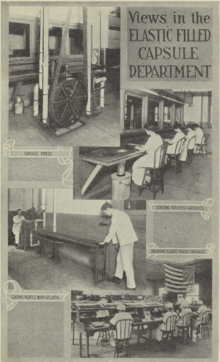
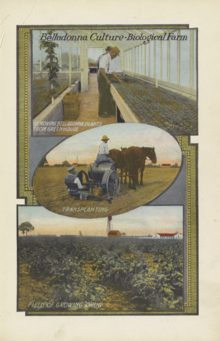


_(cropped).jpg)
 This article incorporates text from this source, which is in the
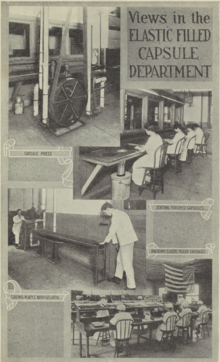
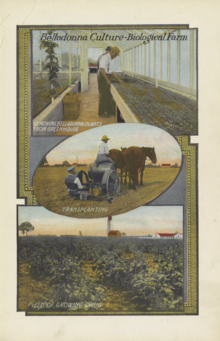

 Donnie Harold Harris