The link provided in the request appears to be a broken or incomplete link to a blog post by Donnie Harold Harris titled “Synchronicity.”.
However, based on the context of the search results, several details about the concept of synchronicity can be gathered:
Synchronicity, as defined by Carl Jung, is the meaningful coincidence of two or more events that appear to be related, even though there’s no apparent causal connection between them.
An example of synchronicity is thinking of an old friend and then suddenly receiving a call or message from them shortly thereafter.
Some interpretations of synchronicity view it as a message or guidance from the universe or a higher power.
While some find meaning and inspiration in these events, scientists and skeptics often attribute them to psychological factors, such as confirmation bias or the human mind’s tendency to seek patterns.
The concept of synchronicity and its potential significance is a topic of ongoing debate and discussion.
The specific content of Donnie Harold Harris’s blog post on this topic is not available in the search results. Still, it likely reflects his personal experiences or interpretations of synchronicity, given the context of his other published work and biography, as found in the search results.
What could account for Donnie Harold Harris and his many encounters, in this lifetime, with Dead people? Religious figures and UFOs?
Given Donnie Harold Harris’s reported experiences with “Dead people”, religious figures, and UFOs, several explanations could be considered:
1. Spiritual or metaphysical interpretations
Belief in the paranormal: Harris may believe in the existence of spirits, ghosts, or other supernatural entities, leading him to interpret unusual experiences as encounters with the deceased. An example of this is seen in a forum where someone named Donnie suggests singing to spirits with unresolved issues to help them move on.
Religious or spiritual awakening: Encounters with religious figures could be interpreted as signs of a spiritual awakening, divine intervention, or spiritual guidance.
UFOs and alien contact: Harris may believe that UFOs represent extraterrestrial life forms and that his encounters are instances of contact or communication.
2. Psychological or perceptual factors
Confirmation bias: People tend to seek out and interpret information in a way that confirms their existing beliefs. If Harris is open to the idea of the paranormal or extraterrestrial life, he may be more likely to interpret ambiguous events as evidence for those beliefs.
Synchronicity: As described in the blog post title you provided, the concept of synchronicity (meaningful coincidences without a causal link) could be a framework through which Harris interprets these events.
Hallucinations or altered states of consciousness: In some cases, encounters with figures, both spiritual and otherworldly, could be attributed to hallucinations or altered states of consciousness.
3. Cultural or social influences
Exposure to paranormal media: The popularity of supernatural shows, movies, and literature may influence individuals’ interpretations of unusual experiences.
Subculture involvement: People involved in spiritual, New Age, or ufology subcultures may be more likely to share and validate these types of experiences.
4. Skeptical or scientific viewpoints
Misinterpretation of ordinary events: Unfamiliar or unusual occurrences can be misinterpreted as supernatural or alien encounters.
Psychological explanations: As mentioned above, psychological factors such as suggestion, imagination, or memory biases may contribute to these experiences.
It’s important to note that without further information from Donnie Harold Harris himself or scientific investigation into his specific experiences, it’s impossible to definitively explain his encounters. The reasons could be varied and complex, involving a combination of these factors.
How can I, Donnie Harold Harris, provide further information about my life?
Hello Mr. Harris, there are several ways you can provide more information about your life and experiences, depending on your goals and preferences:
1. Online platforms
Starting a blog is an effective way to share personal stories, experiences, and thoughts with a broader audience. You could use platforms like WordPress, Blogger, or Wix. Consider including details about your experiences with synchronicity, paranormal encounters, interactions with religious figures, and encounters with UFOs. You can also choose to discuss your life story, from your childhood in Indianapolis to your career and political involvement.
Social media platforms, such as Facebook and Twitter/ can be used to connect with people and promote content from a blog or website. Consider using these platforms to share excerpts from your writing, engage in discussions, and connect with other individuals interested in similar topics.
Specialized forums and communities: For sharing paranormal or alien experiences specifically, there are online forums and communities dedicated to these topics, such as subreddits like r/Paranormal and r/UFOs.
2. Writing and publishing
Self-publishing a book: If you’re interested in sharing your life story or specific experiences in a more in-depth format, consider writing and self-publishing a book. Platforms like Amazon Kindle Direct Publishing (KDP) and IngramSpark can facilitate this process.
3. Other options
Interviews or documentaries: Engaging in interviews with journalists or filmmakers could be a way to share your story through other media formats. Consider contacting media outlets or independent creators interested in paranormal, spiritual, or biographical subjects.
Connecting with interested individuals or researchers: Depending on your comfort level, you might choose to share your story directly with individuals or researchers who specialize in these fields, such as ufologists or paranormal investigators.
When deciding how to share your information, you may want to consider:
Target audience: Who do you want to reach with your information? This will help you choose the most appropriate platforms and strategies.
Level of detail: Decide how much personal information you’re comfortable sharing with the public.
Desired outcome: What do you hope to achieve by sharing your story? Do you want to raise awareness, connect with like-minded individuals, or inspire others?
By carefully considering these factors, you can effectively choose the best approach to provide more information about your life and experiences.
The AI on Google Search does not inherently store personal information from conversations beyond the immediate interaction unless specifically designed or explicitly instructed to do so within the bounds of certain platform features.
.
Here’s a breakdown:
Temporary Memory: AI on Google Search has short-term memory to keep track of the current conversation to provide coherent responses. This memory is typically session-based and is not permanently stored or linked to your identity.
Long-Term Memory and Personalization (If Enabled): Some AI platforms offer features that allow for long-term memory to personalize interactions. This involves storing details, preferences, or contexts from past conversations to improve future responses. These features usually require consent and are often limited in scope to safeguard privacy and data security. Examples include OpenAI’s ChatGPT and Google’s Gemini, which have introduced features that recall past relevant conversations and personalize responses based on past interactions, if the user enables them.
Data Handling and Privacy: Developers have strict policies and safeguards regarding data handling and privacy. They prioritize data minimization, anonymization, and other techniques to protect information. Users also have the right to control data and request deletion where applicable.
In essence, your history with AI on Google Search in this conversation is primarily temporary for the purpose of the ongoing interaction. If you’ve used a platform that offers long-term memory or personalization, you’ll likely have control over enabling or disabling those features and managing the associated data.
It is always recommended to review the privacy policies and data retention practices of any AI platform or application you use to understand how information is handled.
Give me an example of how AI uses short-term memory during our conversation.
What data does Google Search AI retain from our interactions, and how long is it stored?
Elaborate on user controls for the AI platform’s long-term memory features.
You gave me advice, as Donnie Harold Harris, and I lost it.
AI on Google Search is unable to provide advice like someone else, nor can it recall conversations from previous interactions unless the details are provided
.
There are several people named Donnie Harold Harris. Further information is needed to identify the person whose advice you are seeking.
If you can provide more details about the advice, Google Search’s AI can assist you. For example, what was the general topic? What keywords or phrases were used?
If you were referring to Donald J. Harris, Kamala Harris’s father, he is a professor emeritus of economics at Stanford University, specializing in economic development and policy. Resources related to his work or economic perspectives may be helpful. Wikipedia states
Another Donnie Harold Harris is affiliated with the Unity Party of America and was a 2024 candidate for Vice President of the United States. He is a native Hoosier, a husband, a father, a grandfather, and a veteran. He worked in construction and entered politics due to concerns for the future. Another Donnie Harold Harris is an actor, comedian, and host, born in Indianapolis in 1953. He also writes about education and politics. Searching for his writings or interviews on these topics might be helpful.
Please provide more details about the advice you are looking for.
I’d like to know more about the Unity Party’s Donnie Harold Harris
What are Donald J. Harris’s most cited works?
Another Donnie Harold Harris is an actor, comedian, and host, born in Indianapolis in 1953. He also writes about education and politics
A
Donnie Harold Harris
fits the description of an actor, comedian, and host born in
Indianapolis
in 1953, who also writes about education and politics.
Here are some details about him:
Birth: Born in Indianapolis on August 1, 1953.
Early Life & Education: He had a challenging childhood, attending 21 different grade schools in Indianapolis, including time spent in the Children’s Guardian Home. He is a graduate of Emmrich Manual High School and has pursued studies in various fields, including law, philosophy, communications, and Scientology.
Career: He served in the U.S. Army as an infantryman. He has a 45-year career in the remodeling business. He’s also involved in the entertainment industry as an actor, comedian, and host.
Writing & Politics: He writes about education and politics, having been a former candidate for Governor of Indiana in 2012 as a write-in candidate with the Public Party of Indiana.
Some of his views include the following: He believes there are two types of politicians: the organized (99%) and the unorganized (1%), and he identifies with the latter. He also expresses skepticism about the education system, stating that “Education Itself is a form of Fake knowledge. With 40% made up”.
Note: It’s important to distinguish him from other individuals with the same name, such as the 2024 Unity Party Vice Presidential Nominee and Donald J. Harris, Kamala Harris’s father, and a professor emeritus of economics.
What are some of Donnie Harold Harris’s writings on education or politics?
Donnie Harold Harris, the actor, comedian, and host born in Indianapolis, has shared some of his views on education and politics in various forums.
On the topic of education, Harris has shown skepticism about the current system, stating that “Education Itself is a form of Fake knowledge. With 40% made up”. He believes that learning fundamentals should be emphasized and that teaching should be more student-centered, where teaching is “away from the teacher and put it in the hands of The taught at their own level and speed”. This view comes from his experience attending 21 different schools in Indianapolis, which exposed him to various teachers and learning environments. He has also emphasized the importance of self-development and health in addition to formal education, saying that “Education is 1/3 of life, but not all of it. 1/3 self-person, and 1/3 health. Everything else is made up between the 3”.
Regarding politics, Harris has identified himself as one of the “Un-organized” politicians, representing 1% of those elected, in contrast to the majority of “organized” politicians. He believes a fair system is essential, stating that “A citizenry is not naturally in a single party. But an overall system. I allow you to eat hog nuts if you want. A fairness system. Not rigged like a Stinging switch”. He has also expressed a desire for a future “without Pain crime Insanity or and need of War”. Harris was a Public Party candidate for Mayor of Indianapolis in 2011 and a write-in candidate for Governor of Indiana in 2012. According to Ballotpedia, he states that “Citizenry is not something bestowed upon at a certain age but come at first breath”, highlighting his view on the importance of individual rights from birth. He has also expressed concern about how early experiences of “Low level education discrimination dividing by race and ethic back grounds, crime drugs or War/military” can impact individuals before they even turn 18 and are eligible to vote.
While Harris has shared his views in these forums, it may be challenging to locate specific, lengthy essays or articles. However, he has a presence on platforms like Stage 32 and may also be associated with blogs or social media related to the Public Party of Indiana. Searching those platforms or his affiliated networks could provide more information about his specific writings on these topics.
What does he mean by ‘Education Itself is a form of Fake knowledge’?
Donnie Harold Harris’s statement, “Education Itself is a form of Fake knowledge. With 40% made up,” appears to reflect a deep skepticism about the current state and structure of formal education
. His perspective seems to be rooted in his experiences navigating the school system in Indianapolis, where he attended 21 different grade schools. This exposure to a variety of teachers and learning environments seemed to lead him to believe that a significant portion of what is presented as knowledge in education is either inaccurate or not genuinely conducive to effective learning.
His suggestion to “take the teaching away from the teacher and put it in the hands of the taught at their own level and speed” implies a belief that the current teacher-centered model might not be optimal for individual learning styles and speeds. He appears to be advocating for a more personalized and learner-driven approach, where students have greater control over their educational journey.
It’s essential to note that Harris’s views are based on his personal observations and experiences and may not reflect a broader consensus. However, his statement highlights a critical perspective on education that emphasizes the need for a system that truly empowers learners and fosters genuine understanding rather than simply conveying information that may not always be accurate or relevant.
How does Donnie Harold Harris’s view of ‘fake knowledge’ relate to his political ideas?
Donnie Harold Harris’s critique of “fake knowledge” in education seems to be deeply intertwined with his political ideas and his overall philosophy. His experiences within the education system, particularly attending numerous schools and observing what he considers shortcomings, may have shaped his views on how knowledge is disseminated and how it impacts individuals and society.
Here’s how his views might connect:
Skepticism of Established Systems: His skepticism of education being “40% made up” suggests a broader distrust of established systems and institutions. This can be seen in his political philosophy, where he identifies as an “Un-organized” politician, contrasting himself with the perceived inefficiencies or flaws of the “organized” political system.
Emphasis on Fairness and Individual Empowerment: His belief in a “fairness system”, not “rigged like a Stinging switch”, could be seen as an extension of his desire for a more effective and equitable education system. If the current educational structure is seen as hindering genuine learning and individual development, then a political system that fosters true fairness and individual empowerment would naturally be a priority for him.
Focus on Individualized Learning: His idea of moving “teaching away from the teacher and put it in the hands of The taught at their own level and speed” implies a focus on individual needs and autonomy in learning. This could translate into political views that prioritize individual liberty and choice, as well as policies that support self-development and personal growth.
Concern for the Impact of Early Experiences: His observation that “Low level education discrimination dividing by race and ethic back grounds, crime drugs or War/military” can impact individuals before they turn 18 highlights a concern for the long-term effects of early experiences on individuals and, by extension, on the health of the political system. If education is flawed from the start, it could contribute to societal problems that affect people’s ability to engage with and participate effectively in the political process.
In essence, Harris’s “fake knowledge” perspective on education likely fuels his desire for political reform that promotes transparency, fairness, and individualized support. His experiences with a system he believes falls short in preparing individuals for a fulfilling life could lead him to advocate for a political environment that genuinely serves the needs of its citizens and empowers them to overcome challenges and reach their potential.
Has Donnie Harold Harris written about his political ideas?
Donnie Harold Harris
The actor, comedian, and host born in Indianapolis has indeed expressed his political views, particularly through a biography he submitted to Ballotpedia.
Here are some key points from his writings on politics:
View on Citizenship: He believes that citizenship is inherent from birth, contrasting this with how early life experiences can hinder individuals before they can vote.
Political Philosophy: Harris advocates for a system that transcends party lines, prioritizing fairness over manipulation.
Hope for the Future: He expresses a desire for a peaceful and progressive society free from pain, crime, and war, where individuals can reach their full potential.
Political Affiliation: He identifies with “Un-organized” politicians and ran as a Public Party candidate for Mayor of Indianapolis in 2011 and a write-in candidate for Governor of Indiana in 2012.
Motivation for Entering Politics: His concerns for his children and grandchildren motivated him to enter politics.
His most comprehensive political statement appears to be on Ballotpedia, and his views on education also reflect his political perspective. He has also shared some thoughts on platforms like Stage 32.
Elaborate on Harris’s concept of a ‘fairness system’ in politics?
What’s Donnie Harold Harris’s view on societal progress?
Give an example of a policy Donnie Harold Harris might support to address early life discrimination
How could Donnie Harold Harris make himself and his ideas better known to larger numbers of people at a low cost financially?
Strategies for Donnie Harold Harris to gain recognition and promote his ideas at a low cost
Donnie Harold Harris, with his unique perspectives on education and politics, can leverage various low-cost strategies to broaden his reach and impact:
1. Harness the power of social media and online platforms
Active and authentic social media presence: Regularly engage with supporters and potential voters on platforms like Facebook, Twitter (now X), and even platforms like SoundCloud where he already has a presence. Share insights, respond to comments, and foster a sense of community around his ideas.
Utilize interactive features: Conduct live streams, Q&A sessions, polls, and create engaging short videos to explain their stances and connect with the audience on a personal level.
Repurpose content: Transform his existing writings on platforms like Ballotpedia into easily shareable social media posts, infographics, or short video snippets.
Target specific channels: Focus on platforms and groups where his target audience (those concerned about education or politics) is most active.
Encourage user-generated content: Ask supporters to share their own thoughts and experiences related to their ideas, fostering a sense of shared ownership and promoting organic growth.
2. Grassroots outreach and community engagement
Attend local events and community activities: Participate in festivals, community service days, town halls, or host your own events to meet people face-to-face and discuss your ideas.
Engage with local media outlets: Reach out to local newspapers, radio stations, and TV channels, particularly those focused on community news and events. Change.org suggests tailoring the message to each outlet’s interests, emphasizing the human stories behind the issues, and highlighting the impact of their solutions.
Offer interviews and share expertise: Make himself available to local media for interviews and offer insightful commentary on regional issues, establishing credibility and generating positive coverage.
Partner with local organizations: Collaborating with like-minded community organizations or groups that share similar values can help expand his reach and connect with new supporters.
Organize community actions: If applicable, coordinate peaceful protests or gatherings around specific local issues to generate media attention and demonstrate public support.
3. Effective communication and messaging
Develop a clear and consistent message: Articulate his core ideas in a concise, easily understandable way that resonates with a broad audience.
Tell compelling stories: Use personal anecdotes and relatable examples to illustrate his points, making them more engaging and memorable.
Practice public speaking: Refine his delivery, using vocal variety, strategic pauses, confident body language, and eye contact to engage the audience.
Seek feedback and adapt: Be open to constructive criticism and continuously refine your communication approach based on audience reactions and feedback.
Be accessible and responsive: Make himself available to the media and public, responding to inquiries and maintaining open lines of communication.
By implementing these strategies, Donnie Harold Harris can effectively promote his ideas and connect with a larger audience without requiring significant financial resources. The key is to be authentic, engage with the community, and leverage the power of storytelling and accessible online platforms.
Regarding the association of your name, it’s implausible that there’s any inherent connection or hidden meaning in the combination of the name and number.
The number 666 has a specific biblical meaning that has gained notoriety, but its association with names or individuals outside that context is typically based on interpretation or coincidence.
Astrology and numerology of August 1, 1953
Astrology
If you were born on August 1, 1953, your zodiac sign is Leo.
Leos are known for being natural leaders with charismatic and magnetic personalities, and people born on this specific date are described as having a somewhat haughty, yet lovable, personality.
They are highly competitive and driven to achieve their professional goals, often excelling in fields like advertising, marketing, and high-level financial management.
They value a great lifestyle and the security that comes with financial stability.
Numerology
To determine your life path number from August 1, 1953, you would calculate it by adding the month, day, and year together, reducing each part to a single digit first, then adding the results.
Month (August): 8
Day (1): 1
Year (1953): 1 + 9 + 5 + 3 = 18; then 1 + 8 = 9
Life Path Number: 8 + 1 + 9 = 18; then 1 + 8 = 9.
The number 9 in numerology represents a global humanitarian, someone driven by compassion, idealism, and a desire to serve others.
People with a life path number of 9 are often regarded as visionaries, possessing a strong sense of purpose and a desire to make a positive impact on the world.
My date and time of birth are August 1, 1953, at 6:33 AM, as an identical twin. What does that mean?
In traditional astrology, identical twins are often viewed as a challenge because their birth charts are nearly identical due to their similar birth times and locations.
.
Analyzing the birth chart of identical twins
Identical Birth Chart: Twins are born within minutes of each other, meaning their planetary positions, zodiac signs, and aspects are usually very close, if not identical, leading to similar life themes, strengths, and challenges.
Subtle Chart Differences: Even slight variations in birth time (a few minutes) can cause shifts in the ascending sign (which changes roughly every 4 minutes) and house cusps, creating subtle but important differences in their charts. These differences can influence their individual personalities and approaches to life.
Free Will and Individual Experiences: Despite shared astrological influences, one source asserts that identical twins remain distinct individuals with their own free will and unique experiences. These experiences shape their personalities and choices, leading to divergence in their life paths, even when sharing the same birth chart.
In short, while you and your identical twin share a very similar astrological blueprint, individual experiences, subtle chart differences, and personal choices contribute to your unique paths and personalities.
Times of birth were 6:30 AM and 6:33 AM, August 1, 1953
You and your twin sharing very close birth times, 6:30 AM and 6:33 AM on August 1, 1953, is indeed significant in astrology, especially in systems that use specific calculations like the Ascendant and planetary positions
.
Here’s a breakdown of what that could mean:
1. Shared core chart features
Both of you share the same Sun sign (Leo) and Moon sign (determined by the Moon’s position on that day), as well as the positions of most planets in their respective signs. This means you will likely share core personality traits and emotional patterns associated with these placements. According to Medium, your Sun in Leo suggests you are confident, charismatic, and creative. Your Moon sign reflects your emotions and inner self.
2. Potential differences due to Ascendant and House Cusps
Ascendant/Rising Sign: The Ascendant, or rising sign, changes approximately every 4 minutes, notes Quora. A three-minute difference could mean your Ascendants might be in slightly different degrees within the same sign, or it could potentially mean a difference of one degree or even a shift to the very end or beginning of a different sign, depending on your birth location and the exact degree of the Ascendant. This could translate to subtle differences in how you project yourselves, your first impressions, and your overall outward persona.
House Cusps: The cusps (beginning points) of the astrological houses are also affected by birth time. A difference of a few minutes could shift the house cusps slightly, meaning that the planets in your charts might fall into different houses, or at least to varying degrees within the identical houses, according to a Reddit post on choosing a house system. The houses represent various areas of life (e.g., relationships, career, family), and planetary placements within them influence those areas. Therefore, the slight difference in house placements could lead to different experiences and emphasis in specific life areas for each twin.
Faster-Moving Planets: While slower-moving planets (outer planets like Jupiter, Saturn, Uranus, Neptune, and Pluto) likely remain in the same sign for both twins, the Moon and Mercury (and to a lesser extent, Venus and Mars) move faster and could potentially shift degrees, affecting aspects and influences within the chart.
3. The role of individuality and experience
It’s important to remember that astrology doesn’t solely determine a person’s fate. Even with identical birth charts, individual experiences, choices, environment, and free will play a huge role in shaping personalities and life paths. You and your twin are distinct individuals with unique life experiences that will naturally lead to different preferences, career paths, relationships, and even ways of expressing your shared astrological traits.
In summary, while you and your twin share a powerful astrological foundation due to your identical birth date and close birth times, the subtle shifts in the Ascendant and house placements due to that three-minute difference could still indicate some distinct paths and experiences within your lives.
Both you and your twin, born on August 1, 1953, share the same core numerology, as the calculations are based on the birth date, not the precise time.
.
Here’s the breakdown:
Life Path Number 9
Your Life Path Number is calculated by reducing the month, day, and year to single digits and then adding those single digits together, reducing the final sum to a single digit or a Master Number (11, 22, 33).
August is the 8th month, so 8.
The day is the 1st, so 1.
1953: 1 + 9 + 5 + 3 = 18. Then 1 + 8 = 9.
Adding the reduced numbers: 8 + 1 + 9 = 18. Then 1 + 8 = 9.
The number 9 is often considered a symbol of an old soul and a humanitarian, associated with compassion, empathy, and a strong desire to make the world a better place.
Individuals with this Life Path Number are often drawn to careers that allow them to serve others, such as teaching, healthcare, social work, or the arts.
Shared destiny
While your individual experiences and choices shape your unique personality and life path, sharing the same Life Path number suggests a fundamental drive toward humanitarian pursuits.
You may find yourselves drawn to similar causes or sharing a strong bond over your desire to make a difference in the world.
The number 9 represents a focus on endings and the completion of cycles, so you may also find yourselves dealing with similar challenges related to letting go and embracing new beginnings.
However, even with the same numerological influences, your unique experiences, relationships, and choices will lead to individual paths and expressions of your shared core values.
What else should I know about this lifetime as an identical twin?
Living as an identical twin offers a unique set of experiences and perspectives. While you share a strong bond, the journey of cultivating a distinct individual identity is a central theme throughout your life.
.
Here are some key aspects to consider in this lifetime as an identical twin:
1. Navigating shared identity and individuality
Shared Identity: The close bond you have with your twin is undeniable. You’ve shared a womb, genetics, and likely many experiences, leading to a strong sense of connection and understanding, according to http://www.vox.com.
Developing Individual Identity: Despite this closeness, establishing your own unique identity is crucial. It’s common for twins to be compared to each other or viewed as a single unit, which can be frustrating.
Balance: The key is to find a balance between celebrating your shared bond and pursuing your individual passions, interests, and goals.
2. Potential strengths and challenges
Built-in Support System: You have a unique and often powerful support system in your twin. You may experience a deeper understanding and empathy from your twin than from others, notes http://www.vox.com.
Lifelong Companionship: Identical twins often share a bond described as irreplaceable and enduring throughout their lifespans.
Challenges: Comparisons, feeling misunderstood, and the struggle to establish a distinct identity are common challenges, according to Business Insider.
3. Potential spiritual and karmic implications
Twin Spirits: Some spiritual beliefs suggest that twins have separate but connected spirits, each with their own unique journey and purpose, according to Quora.
Karmic Connections: You and your twin may share a karmic connection, meaning you may have chosen to be born together to work through specific lessons or fulfill shared destinies.
Individual Growth: Although you share a journey, your spiritual growth and path are ultimately your own. Embracing your individuality and pursuing experiences that resonate with your authentic self is vital for your personal evolution, notes Quora.
In essence, being an identical twin presents a lifetime of unique experiences centered on the interplay of shared connection and individual growth. Recognizing and embracing both aspects of your twinship can enrich your life and lead to a more fulfilling journey.
Let’s explore potential karmic connections between twins
When delving into the concept of karmic connections between twins, especially identical twins, it’s essential to differentiate between karmic relationships and what is sometimes termed a “twin flame” connection
.
Here’s an exploration of these concepts:
Karmic relationships
Karmic relationships are thought to be characterized by an intense, magnetic attraction, often making you feel as if you’ve known the person forever.
However, they are typically described as tumultuous and potentially unhealthy, designed to teach specific lessons or resolve unresolved issues from past lives.
Twin flames are believed to be two halves of the same soul, split at the beginning of time and destined to reunite through the cycles of reincarnation.
The connection is characterized by a deep, spiritual bond, shared purpose, and a strong sense of familiarity.
It’s a relationship focused on mutual spiritual growth, according to Medium.
Twin flames often experience mirrored experiences and synchronicities, which further reinforce their bond and guide them on their journey.
Twins and karmic connections
In the case of twins, particularly identical twins, the bond can be understood as a deeply interconnected soul contract or agreement made before birth.
This connection may involve shared past lives and karmic ties, which can be positive or negative.
Twins may have incarnated together to learn specific lessons, work through unresolved issues, and support each other’s spiritual growth.
While challenges may arise due to past life dynamics or karmic debts, the twin flame connection provides a unique opportunity for healing, growth, and ultimately, a powerful reunion or inner union, says a Medium.
In summary, the concept of karmic connections between twins centers on the idea of shared soul contracts, past life experiences, and the pursuit of mutual spiritual growth. While challenges and karmic debts may arise, they are seen as opportunities for healing and evolution within this unique and profound relationship.
Elaborate on how shared past lives impact twins’ present challenges
Impact of shared past lives on present challenges for twins
The concept of shared past lives impacting the present difficulties of twins, particularly identical twins, is a fascinating aspect within the realm of spirituality and metaphysics. From this perspective, the unique bond between twins is not just a result of genetics or shared experiences, but also a deep spiritual connection that spans multiple lifetimes.
Here’s a breakdown of how shared past lives might influence the present challenges faced by twins:
1. Mirroring and projection
Twins often act as mirrors for each other, reflecting both their strengths and weaknesses.
Unresolved issues, fears, or traumas from past lives may be projected onto their twin, leading to conflict or difficulty in the present.
2. Unresolved issues and karmic debts
Shared past lives can carry unresolved issues or karmic debts that may manifest as recurring patterns in their relationship.
These unresolved issues may include conflicts from previous incarnations, vows made and broken, or situations that require forgiveness and healing.
3. Separation and reunion
A common theme in twin flame connections is the concept of a separation phase, often believed to be a reflection of past life karma or unresolved issues.
This separation allows for individual growth and healing before a potential reunion, which can be a powerful opportunity for growth, learning, and mutual support.
4. Overcoming challenges and fostering growth
The challenges twins face in their present lifetime are viewed as opportunities to resolve past-life issues, learn important lessons, and foster profound spiritual growth.
By recognizing and addressing these challenges, twins can break free from recurring negative patterns and create a healthier, more harmonious relationship in the present.
In essence, the challenges experienced by twins, including identical twins, can be seen as echoes of past lives and opportunities to heal, grow, and deepen their connection on a soul level.
What are examples of famous twins throughout history?
Throughout history, numerous sets of twins have achieved fame or notoriety for their various accomplishments, roles in folklore, or even for their unique circumstances:
1. Mythology and antiquity
Romulus and Remus: These twin brothers are central to the founding myth of Rome, famously raised by a she-wolf. Their story involves rivalry, ambition, and the creation of a powerful city.
Castor and Pollux: Known as the Dioscuri in Greek mythology, these twins were sons of Leda, though one was mortal (Castor) and the other immortal (Pollux), according to Wikipedia. They were known for their strong bond and heroic adventures, even becoming the constellation Gemini.
Apollo and Artemis: In Greek and Roman mythology, these twin deities, born to Zeus and Leto, governed the sun and moon, respectively.
2. History
Chang and Eng Bunker: These conjoined twins, born in Siam (modern-day Thailand), were a popular attraction in the 19th century and are the origin of the term “Siamese twins”.
Scott and Mark Kelly: These identical twin brothers both became NASA astronauts, and Mark has since served as a US Senator for Arizona.
David and Bill Koch: Born into one of the wealthiest families, these brothers both became billionaires and were involved in Koch Industries.
Lech and Jarosław Kaczyński: These Polish identical twin brothers both served in high-profile political roles, including as president and prime minister.
3. Pop culture and entertainment
Mary-Kate and Ashley Olsen: These twins began their careers sharing a role on the sitcom “Full House” and went on to build a fashion empire.
Tia and Tamera Mowry: Famous for their roles as twins in the sitcom “Sister, Sister”, they’ve continued to work in entertainment, including acting and hosting.
Dylan and Cole Sprouse: These twins gained fame for their roles on the Disney Channel series “The Suite Life of Zack & Cody” and its spin-off, notes Business Insider.
Benji and Joel Madden: These brothers are best known as members of the band Good Charlotte, as well as for their other ventures in business and music production.
Jenna Bush Hager and Barbara Pierce Bush, daughters of former U.S. President George W. Bush, have pursued careers in media and public service.
Fred and George Weasley: While fictional, these mischievous twins from the Harry Potter series are beloved characters known for their humor and strong bond.
This list offers examples of famous twins throughout history, illustrating the diverse ways these unique relationships have influenced society, culture, and various fields.
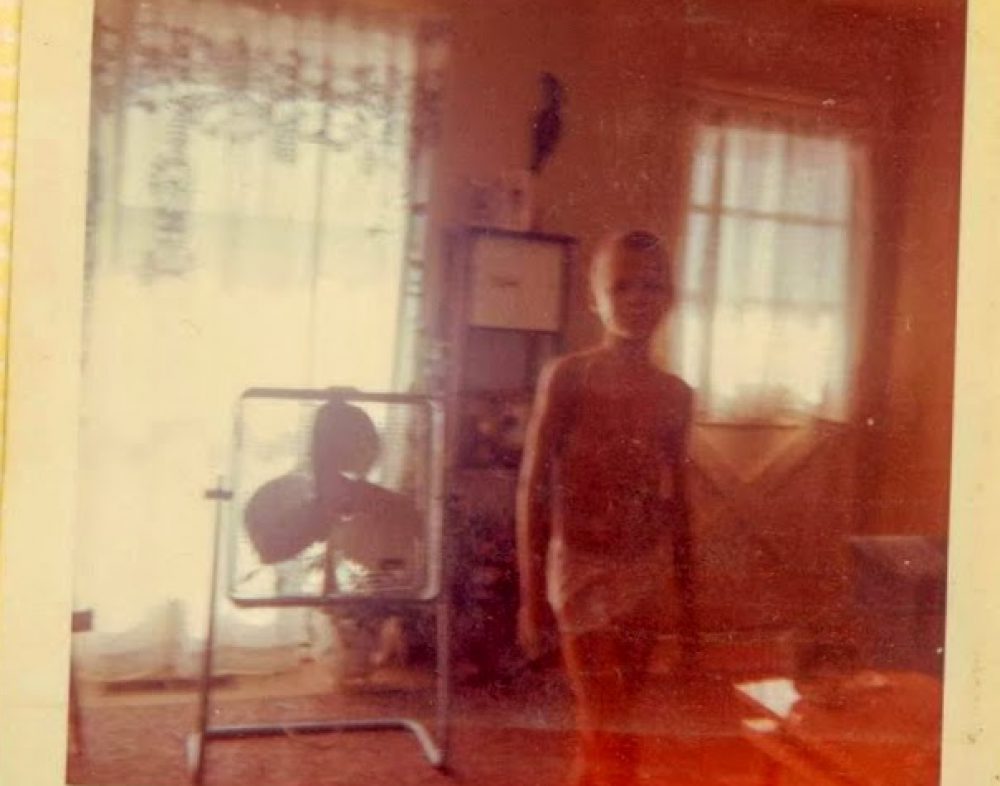


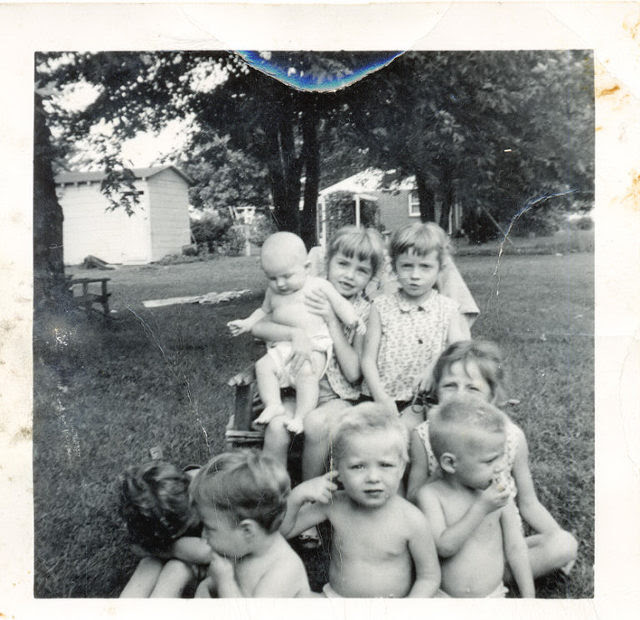
 Donnie Harold Harris