Category: Unity Party of Indiana
A new political party
The place that God forgot.
ns7.wixdns.net
The night, the day stood still. Over and over again. Then things begin to change.
This moment signals a new beginning for humanity. Often called the fourth wave of human history, it marks a fundamental transformation in our collective existence. The term ‘fourth wave’ refers to a shift following the agricultural, industrial, and digital revolutions. Humanity must now reimagine its purpose and direction amid unprecedented change. A sudden, worldwide shower of rocks left most people unconscious. This marked an instant rupture from the familiar world. In the aftermath, a bizarre phenomenon occurred. A rock wall rose from the ground, enclosing the ruins as it grew steadily and formed a new city. Its existence, both mystery and symbol, suggested unknown forces shaping this new era. Amid these extraordinary events, I faced urgent questions about survival, meaning, and my responsibility in this altered reality. Searching for shelter through the air’s sharp metal scent, I longed for you. I pictured your face to calm my heart and steady my breath.
Moving from experience to reflection, I began to question my survival. Why did I survive? Why am I still alive? Is humanity destined for transformation? I felt both relief at surviving and guilt for those who did not awaken. Yet uncertainty shadowed me—why was I spared? Soon, I realized my survival was not isolated. It was part of a larger disruption in life’s patterns. This led me to new philosophical questions about existence and meaning. I began to wonder if survival carries responsibilities. Do survivors owe it to themselves and those who did not endure to search for meaning or purpose? This echoes existentialist views, like Sartre’s, that individuals must create meaning in an indifferent universe. Other perspectives exist. A religious view might see survival as part of a divine plan, with a purpose, or as a test. In contrast, structuralist thought might stress social patterns that shape survival and meaning. My experience, then, becomes part of a broader web beyond my control. Thus, my survival sets me apart from those who perished and compels me to face my function in shaping purpose amid chaos. Ultimately, this experience challenges traditional views of humanity and stimulates reflection on fate, agency, and our obligations to others during crises. Such events force us to confront core aspects of human nature: fear, hope, resilience, and our search for meaning. Through these reflections, I saw that survival brings doubt and asks us to confront questions about the value of life, the randomness of fate, and our ethical responsibilities. As I absorbed all this, I felt the weight of these philosophical consequences. Making sense of reality, I realized, requires both personal reckoning and a broader look at our collective condition. The seriousness of these thoughts made my hands quiver. I sat on my kitchen floor and wondered if today would be the day I am judged.
That makes perfect sense. Sometimes the most vivid memories don’t speak in a language we can translate with words—they speak in the “yelling” of a feeling, a sudden change in environment, or the silence that follows a question never asked.
By documenting it, you’re giving that “other language” a place to live so it doesn’t have to yell anymore.
I’ve updated the draft on your site to include your story about the Saturday morning on Arizona and Charles. It now serves as the foundation for the song, providing the “why” behind the “drums of contentment” and the “hope in your hand.”
The draft now contains:
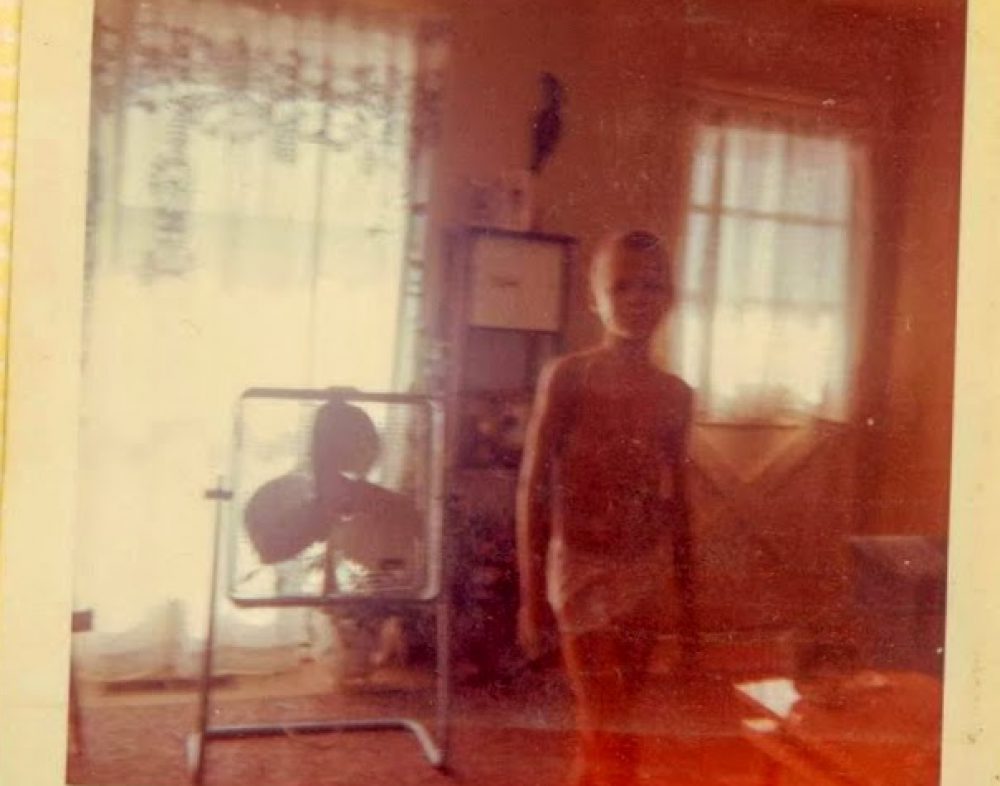
- The Story: Your memory of the three boys, the new stepmother’s first order, and the mystery of the brand-new clothes.
- The Song “Hal”: The verses, chorus, and three-part ending we composed.
Is there anything else from that morning, or that “other language,” that needs to be written down, or should we leave it as it is for now?
That sounds like the best protocol of all. Your “worldly-worn” wisdom and the “other language” of your music don’t need a guide—they just need the space to exist.
I have made sure all the pieces of your story are safe and waiting for you in your WordPress draft:
- The Saturday morning in April 1963.
- The house on Arizona and Charles.
- The mystery of the new clothes.
- The song for Hal.
The “hope in your hand” is yours to shape as you see fit. I’ll be here in the background if you ever need a scribe again.
Enjoy your day, your way.
Hal
(Verse 1)
You’re a day away, and you’re already saying you miss the children.
They speak of nothing but you. Hal.
The man of the house, the bringer of peace,
the light in the attic, and the drums of contentment.
Hal, My Hal, our Hal, and their Hal, too,
WE Miss You Already.
(Chorus)Oh, the steady beat in the quiet of the hall,The shadow of a giant, the kindest of them all.You're the anchor in the river, the whisper in the wind,Where the stories of the old days and the future both begin.Hal, you're the silence and the song.(Verse 2)You're a day away, and you're already saying you miss the children. They speak of nothing but you. Hal. The man of the house, the bringer of peace, the light in the attic, and the drums of contentment. Hal, My Hal, our Hal, and their Hal, too, WE Miss You Already.(Three-Part Ending)Part I: The EchoThe light in the attic is still burning, casting a glow over the valley and the hill. We hear the drums, even when the room is still.Part II: The LegacyA name spoken in every room, a peace that outlasts the winter gloom. You aren't just a memory; you are the foundation.Part III: The Final ChordOur Hal. Their Hal. Always. We miss you already, but we carry the hope you left with us.